Tracking1 min read
How to track your food without becoming obsessed
Food tracking can be a useful tool or a source of stress. How to keep it helpful, flexible and in proportion.
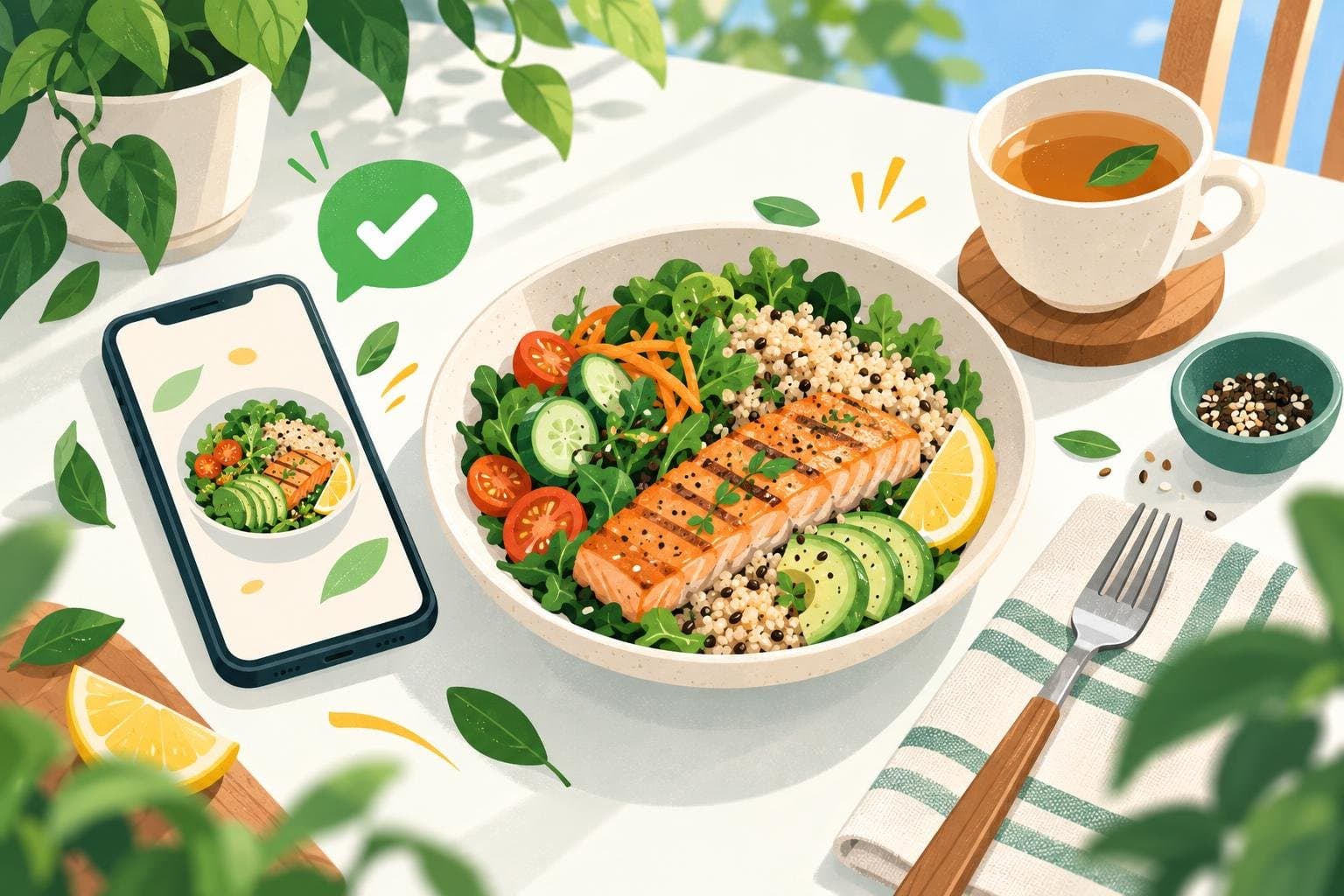
Tracking what you eat can be eye-opening. It shows you patterns, portion sizes and where your calories come from. But for some people, it can become stressful or all-consuming. The goal is awareness, not perfection.
Use tracking as a learning tool
You don't have to track forever. Many people track closely for a few weeks to learn about their habits, then switch to tracking loosely or occasionally.
Aim for "good enough"
- Round numbers rather than weighing every gram
- Estimate meals out instead of skipping the log
- Focus on weekly trends, not perfect days
Keep it fast
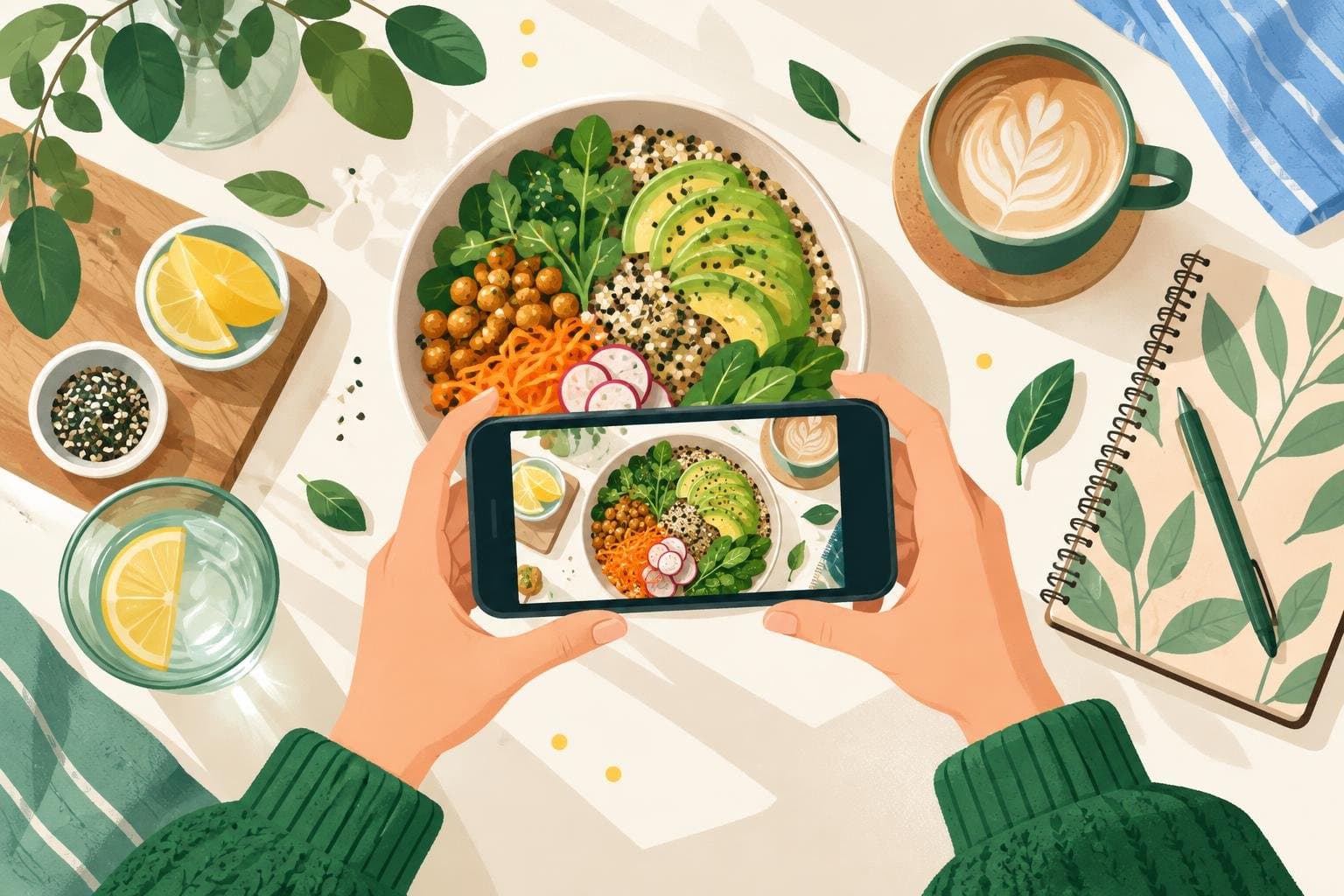
The more time tracking takes, the more mental space it occupies. Quick methods, like logging planned meals with a tap or snapping a photo, make it a small part of your day.
Watch for warning signs
Tracking may not be right for you if it causes anxiety, guilt, rigid rules about food, or makes you avoid social meals. If food or tracking is affecting your wellbeing, take a break and consider speaking to a doctor or a registered dietitian.
Remember what numbers miss
Numbers can't capture how food tastes, the joy of a shared meal or how you feel. Balance tracking with listening to your hunger and fullness.
Make it light
Mealful is designed to keep tracking quick: planned meals log in one tap, everything else from a photo, and every number stays editable, so it's a tool you use, not one that uses you.
This article is general information, not medical advice. If you have a health condition or specific dietary needs, talk to a doctor or registered dietitian.