Weight loss1 min read
Alcohol and weight loss: what you need to know
How drinks affect calories, appetite and fat loss, and practical ways to drink less without giving up social life.
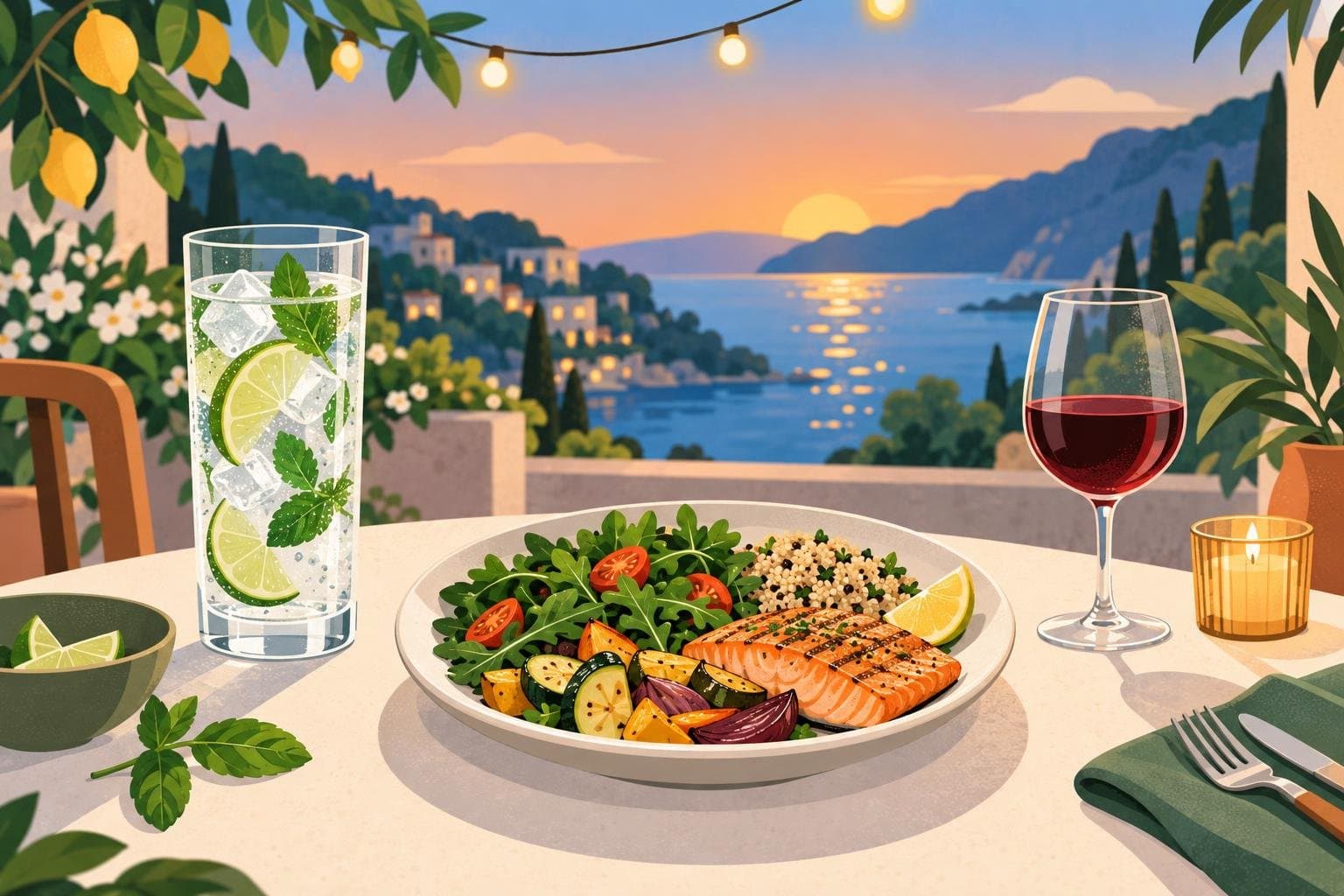
Alcohol is one of the most overlooked obstacles to weight loss. It's not that a single drink ruins anything, but the calories, appetite effects and late-night food choices add up.
Alcohol has calories
Alcohol provides about 7 calories per gram, almost as much as fat. A large glass of wine or a pint of beer can easily be 200 calories or more, and cocktails with mixers often more still.
It affects your choices
Alcohol lowers inhibitions and can increase appetite. The takeaway after the pub or the extra snacks at a party often add more calories than the drinks themselves.
It affects sleep and recovery
Alcohol can disrupt sleep quality, which is linked to increased hunger the next day. It may also interfere with recovery after exercise.
Ways to drink less

- Alternate each alcoholic drink with water or sparkling water
- Choose smaller measures or lower-alcohol options
- Use low-calorie mixers like soda water
- Set a limit before you go out
- Try alcohol-free beers and drinks, which have improved a lot
- Plan alcohol-free days during the week
Plan for it
If you know you're going out, plan a lighter, protein-rich lunch and include the drinks in your day rather than ignoring them. Logging them in Mealful keeps your weekly picture honest.
Know the guidelines
Many health authorities recommend keeping alcohol low, and the safest level is no alcohol at all. If you're concerned about your drinking, speak to your doctor.
This article is general information, not medical advice. If you have a health condition or specific dietary needs, talk to a doctor or registered dietitian.