Groceries1 min read
Bulk buying: what's worth it and what isn't
Which healthy staples are cheaper in bulk, which ones go off before you use them, and how to store bulk buys properly.
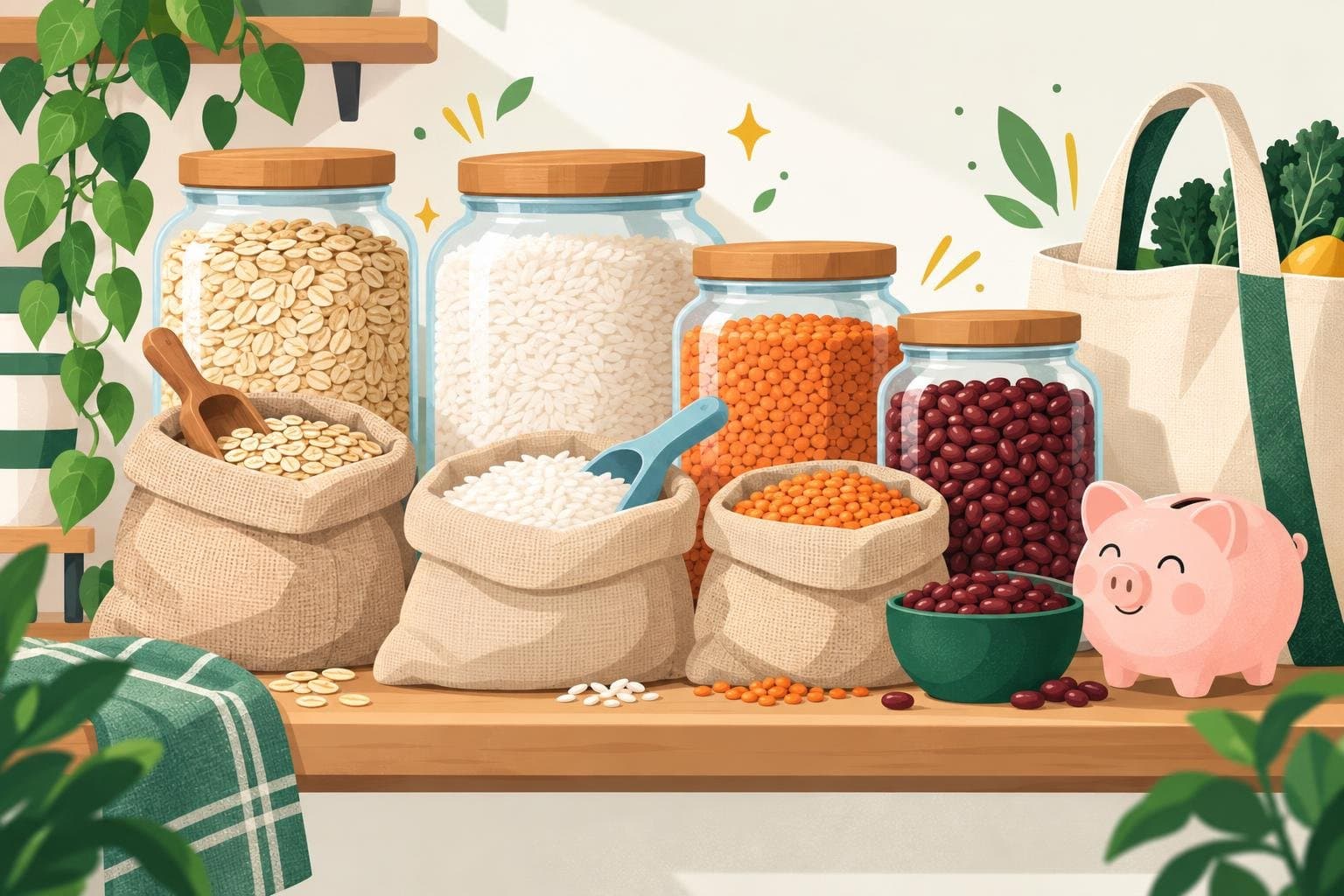
Buying in bulk can save money, but only if you use what you buy. Here's how to tell a real bargain from food that ends up in the bin.
Usually worth buying in bulk
- Rice, oats, pasta and other dry grains
- Dried beans and lentils
- Tinned tomatoes, beans and fish
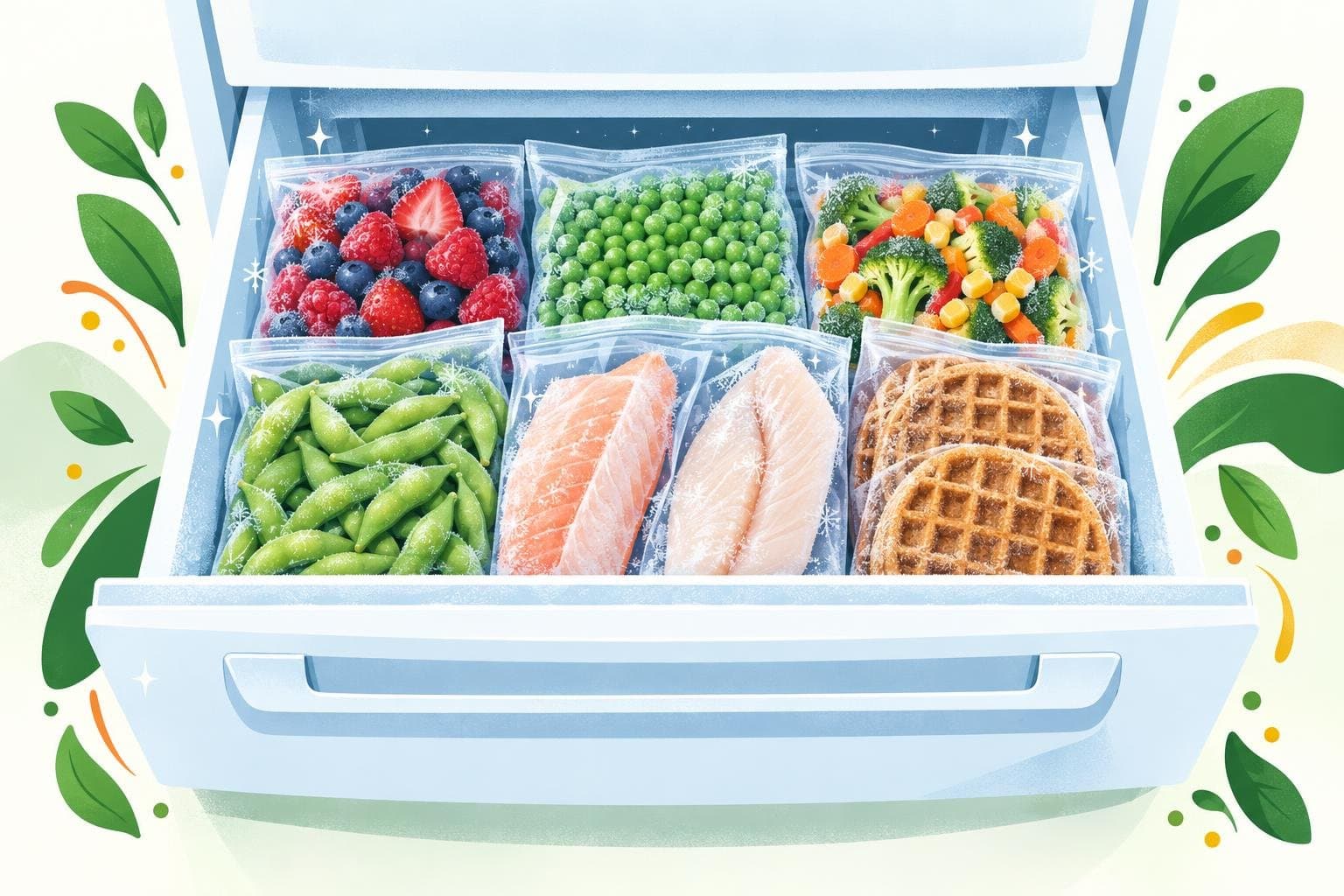
- Frozen vegetables and fruit
- Nuts and seeds (store them in the freezer to keep them fresh)
- Toilet paper and cleaning supplies, if you have space
Usually not worth it
- Fresh produce, unless you'll cook or freeze it straight away
- Spices you rarely use, which lose flavour over time
- Oils in large quantities if you cook infrequently, as they can go rancid
- Snacks and treats, which tend to be eaten faster when there's more
Store it properly
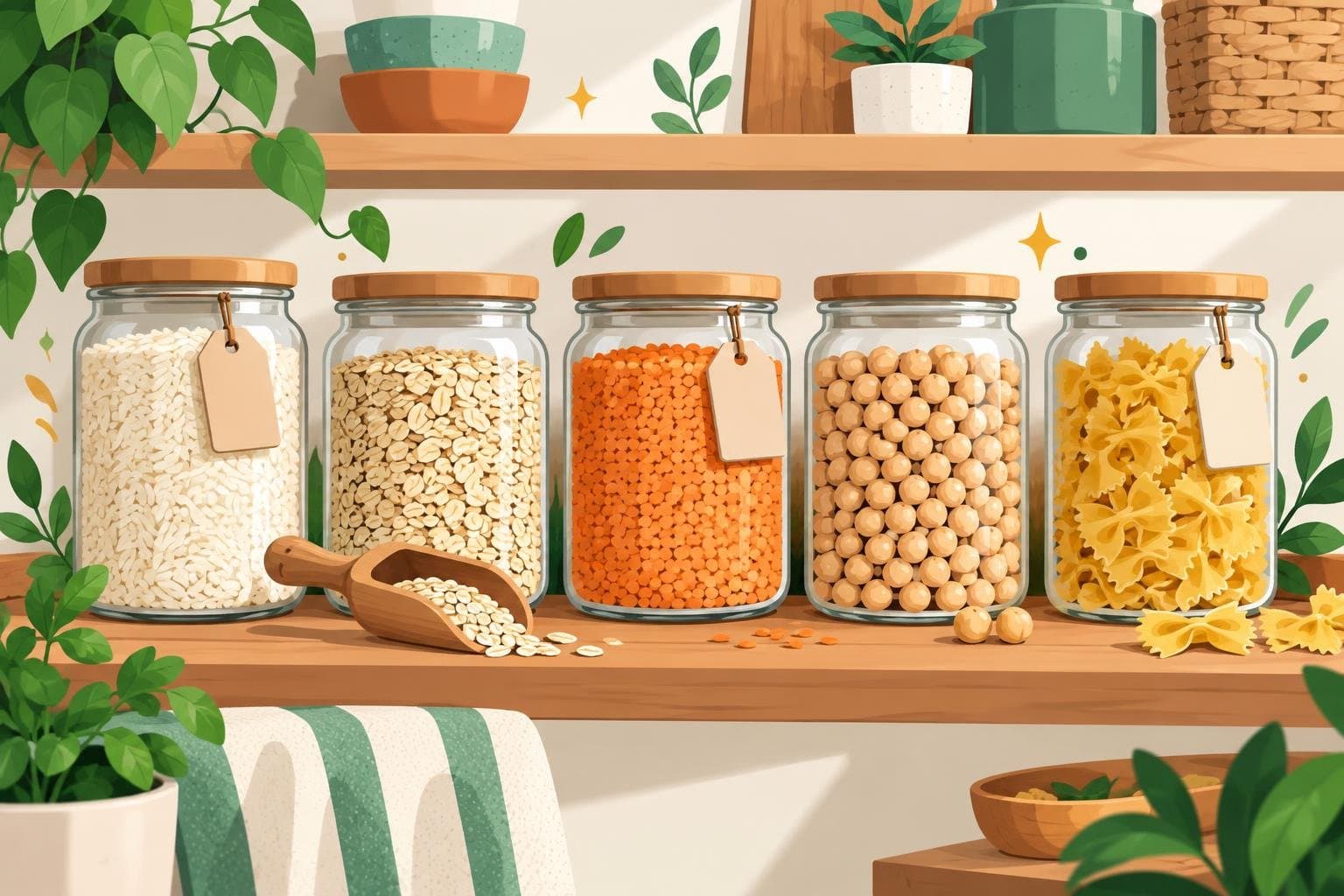
- Use airtight containers for grains, beans and flour
- Label and date everything
- Keep oldest stock at the front
Split with friends
If you don't have space or won't use a big bag before it goes stale, split bulk purchases with a friend or flatmate.
Plan before you stock up
Knowing what you'll cook over the next few weeks is the best guide to what's worth buying in bulk. Mealful's grocery list shows exact quantities across your plan, so you can see what you really use.
This article is general information, not medical advice. If you have a health condition or specific dietary needs, talk to a doctor or registered dietitian.