Groceries2 min read
10 easy ways to waste less food at home
Practical habits for buying, storing and using up food, so less of your grocery budget ends up in the bin.
Households throw away a surprising amount of the food they buy: wilted herbs, forgotten leftovers, the bag of salad that turned to slime at the back of the fridge. It's money in the bin, and most of it is avoidable with a few small habits.
Before you shop
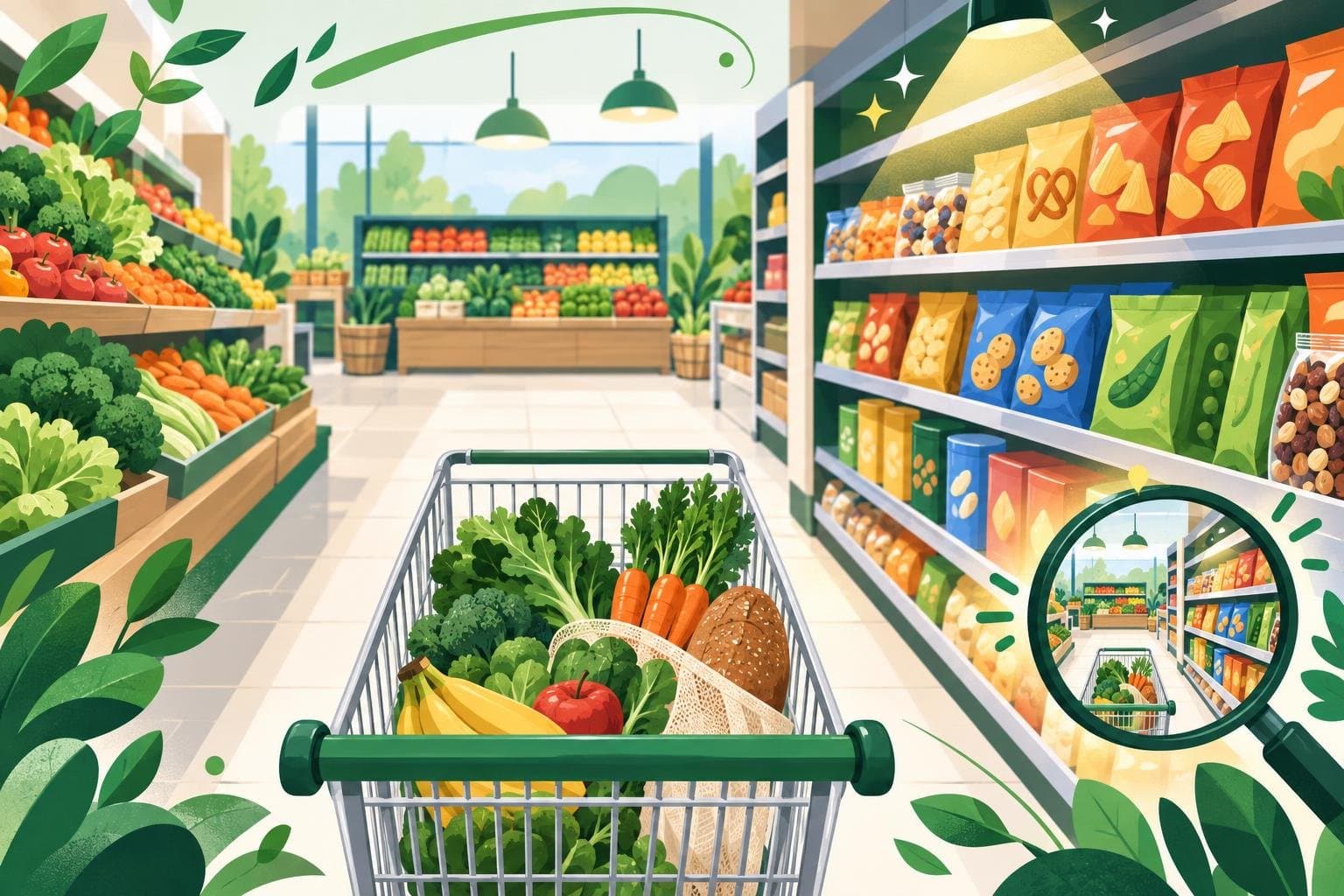
- Plan your meals. Knowing what you'll cook is the single biggest way to stop overbuying.
- Shop your kitchen first. Check the fridge and pantry before writing your list, and plan a meal around anything that needs using up.
- Choose recipes that share ingredients. If one dish uses half a cabbage, find another that uses the rest.
When you get home
- Put new items at the back. Move older food to the front so it gets eaten first.
- Store produce properly. Wrap herbs in a damp paper towel, keep bananas away from other fruit, and keep potatoes and onions apart in a cool, dark place.
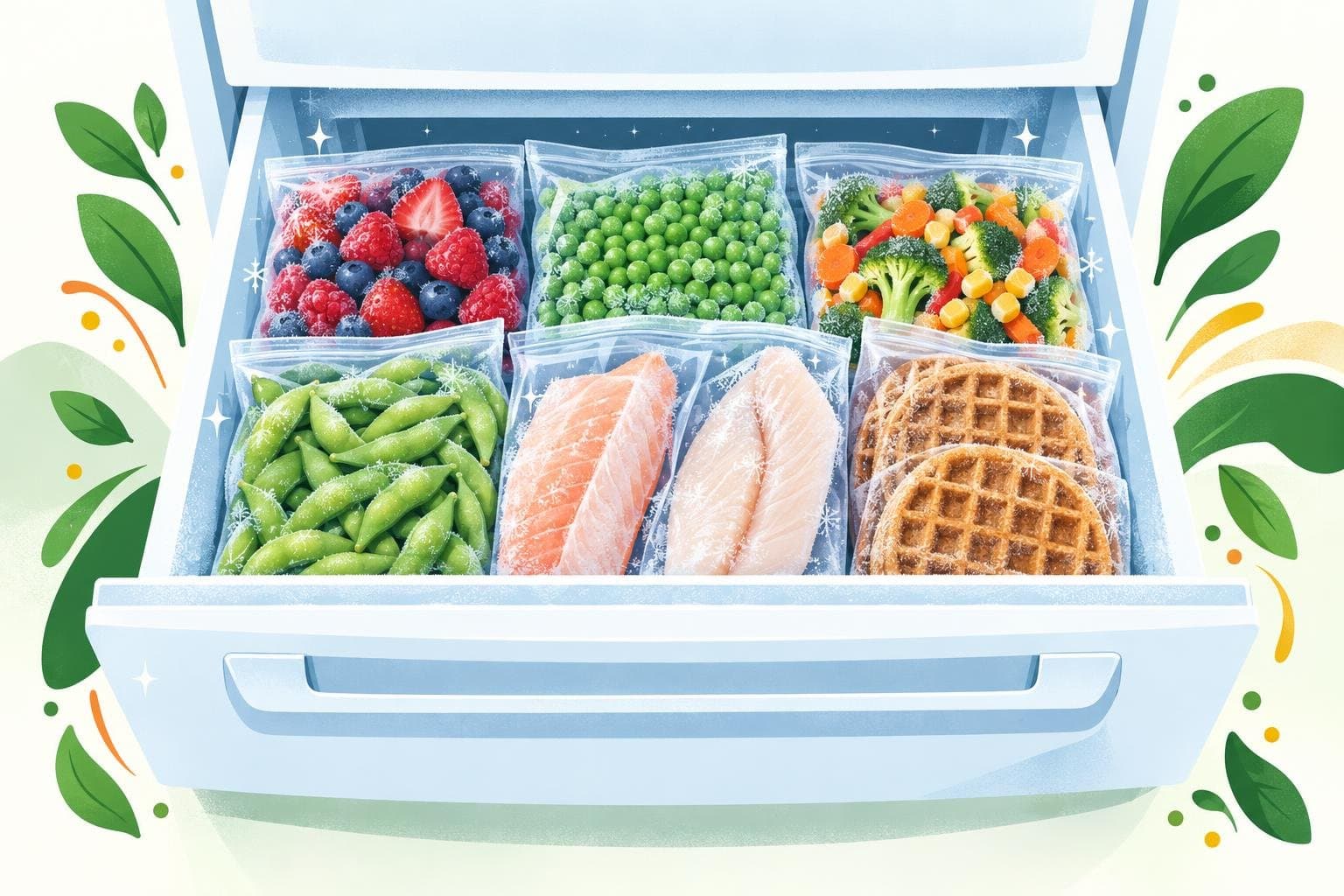
- Freeze what you won't use in time. Bread, meat, cooked grains, ripe bananas and grated cheese all freeze well.
When you cook
- Cook the right amount. Scale recipes to the number of people eating, and only cook extra when you have a plan for the leftovers.
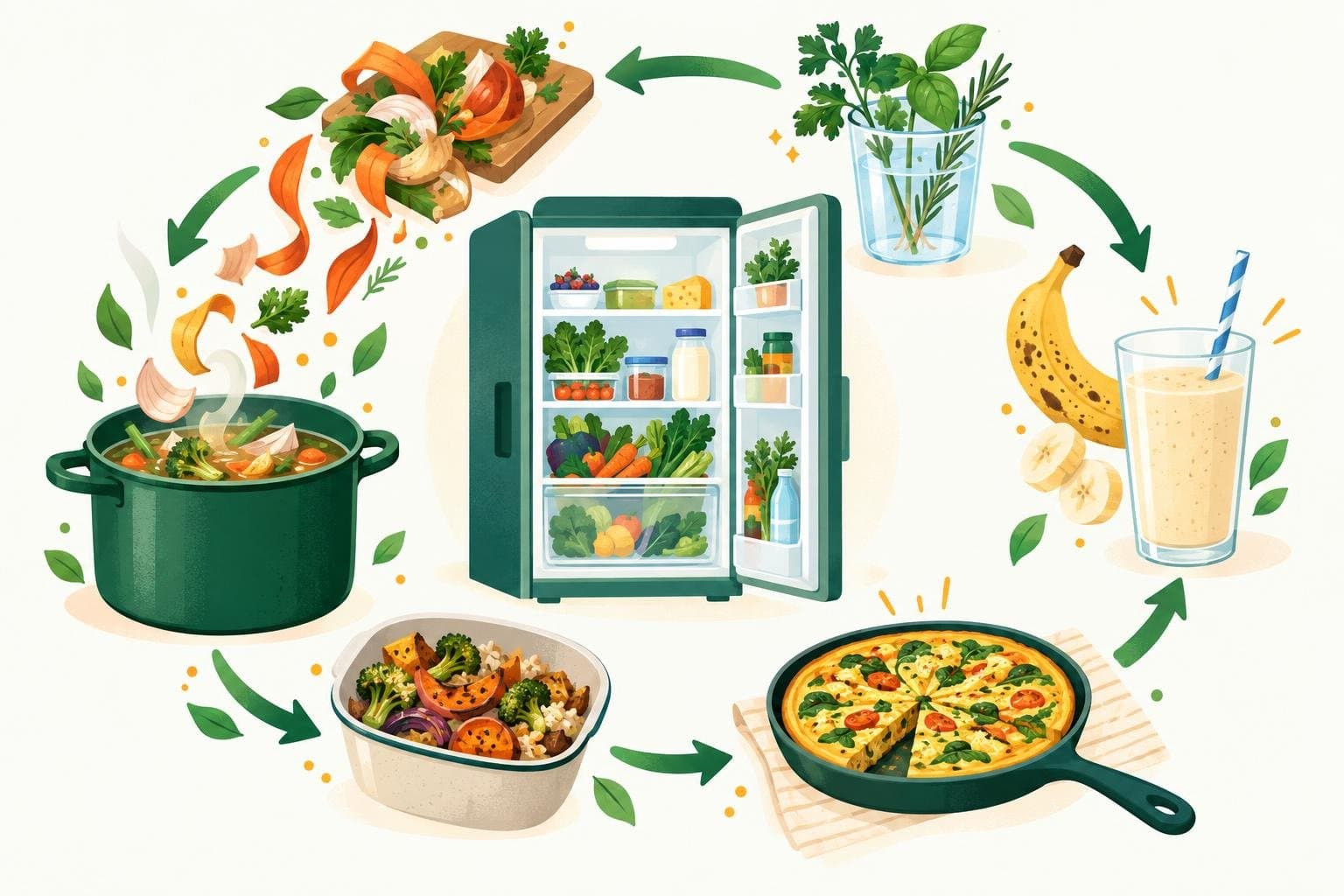
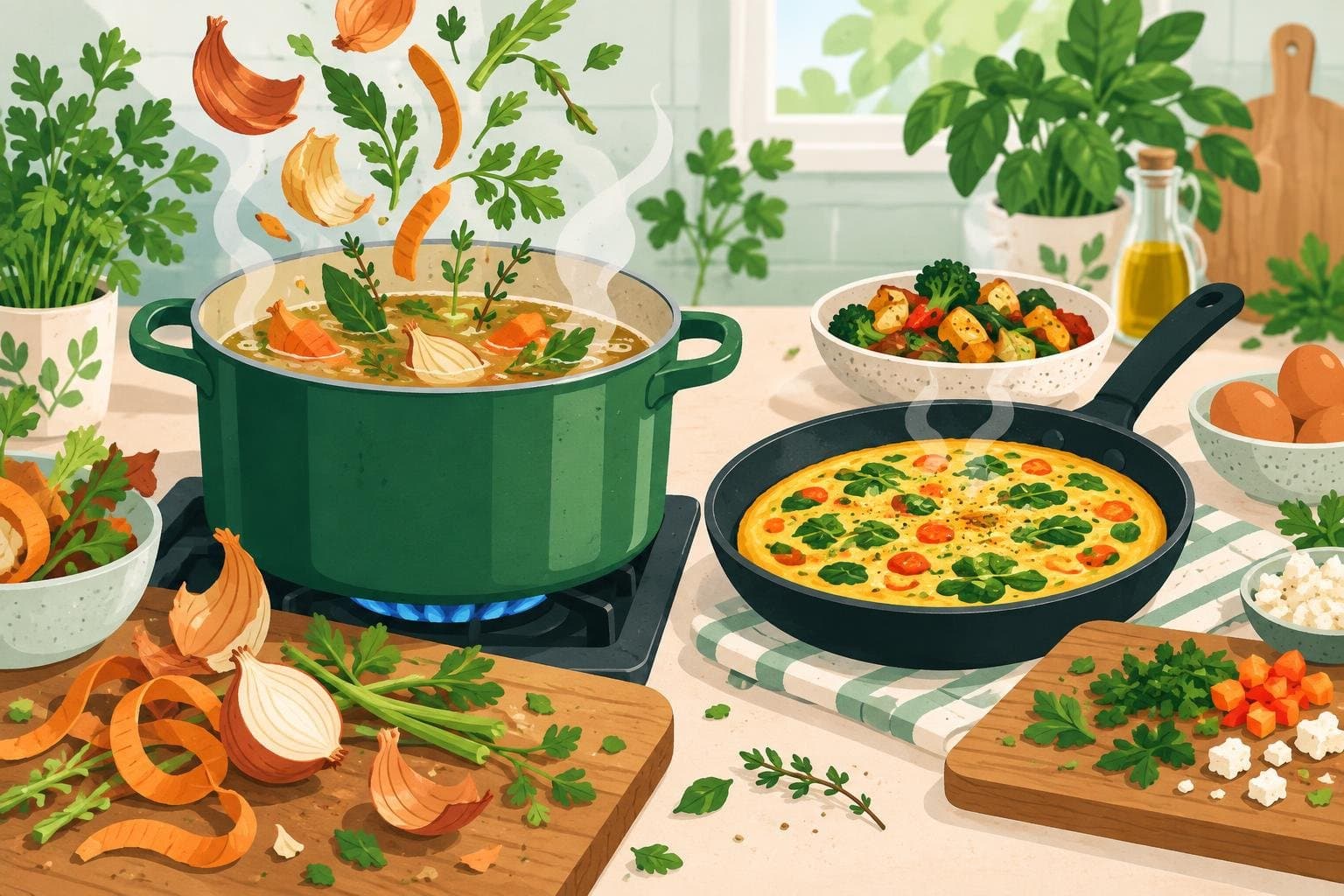
- Use the odds and ends. Vegetable trimmings make stock, stale bread makes croutons, and soft fruit makes smoothies.
- Make a weekly 'clear-out' meal. Fried rice, frittatas, soups and grain bowls are perfect for using up bits and pieces.
Understand date labels
'Use by' is about safety, so respect it. 'Best before' is about quality, and food is often fine to eat after that date if it looks, smells and tastes normal. Knowing the difference stops a lot of perfectly good food from being binned.
Planning makes the rest easier
Almost every tip above starts with knowing what you're going to eat. When you plan in Mealful, you can set servings for each recipe, see which ingredients are shared across your week, and get a grocery list with exact quantities, so you buy what you'll actually use.
This article is general information, not medical advice. If you have a health condition or specific dietary needs, talk to a doctor or registered dietitian.