Groceries1 min read
Eating with the seasons: a simple produce guide
Why seasonal fruit and vegetables often taste better and cost less, and what to look for in spring, summer, autumn and winter.
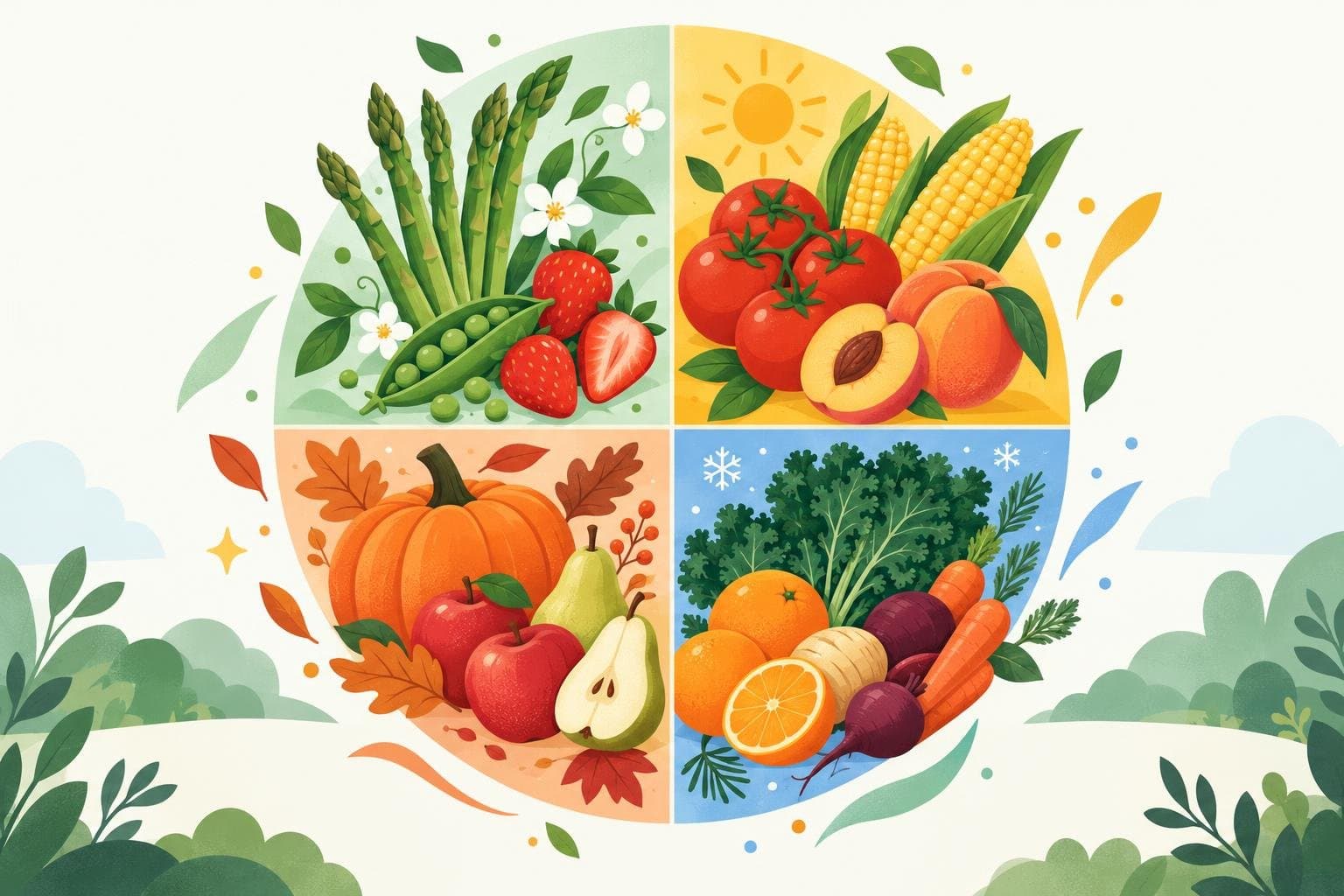
Supermarkets sell strawberries in December and asparagus in October, so it's easy to forget that produce has seasons. Buying what's in season locally usually means fruit and vegetables that are fresher, more flavourful and cheaper, because they haven't travelled as far or been grown out of their natural season.
Seasons depend on where you live. The guide below is a general one for temperate climates in the northern hemisphere; local farmers' markets are the best guide to what's in season near you.
Spring
- Asparagus, peas, broad beans and radishes
- Spring onions, new potatoes and spinach
- Rhubarb, and strawberries towards late spring
Summer
- Tomatoes, courgettes, cucumbers, peppers and aubergines
- Sweetcorn, green beans and lettuce
- Berries, cherries, peaches, plums and melons
Autumn
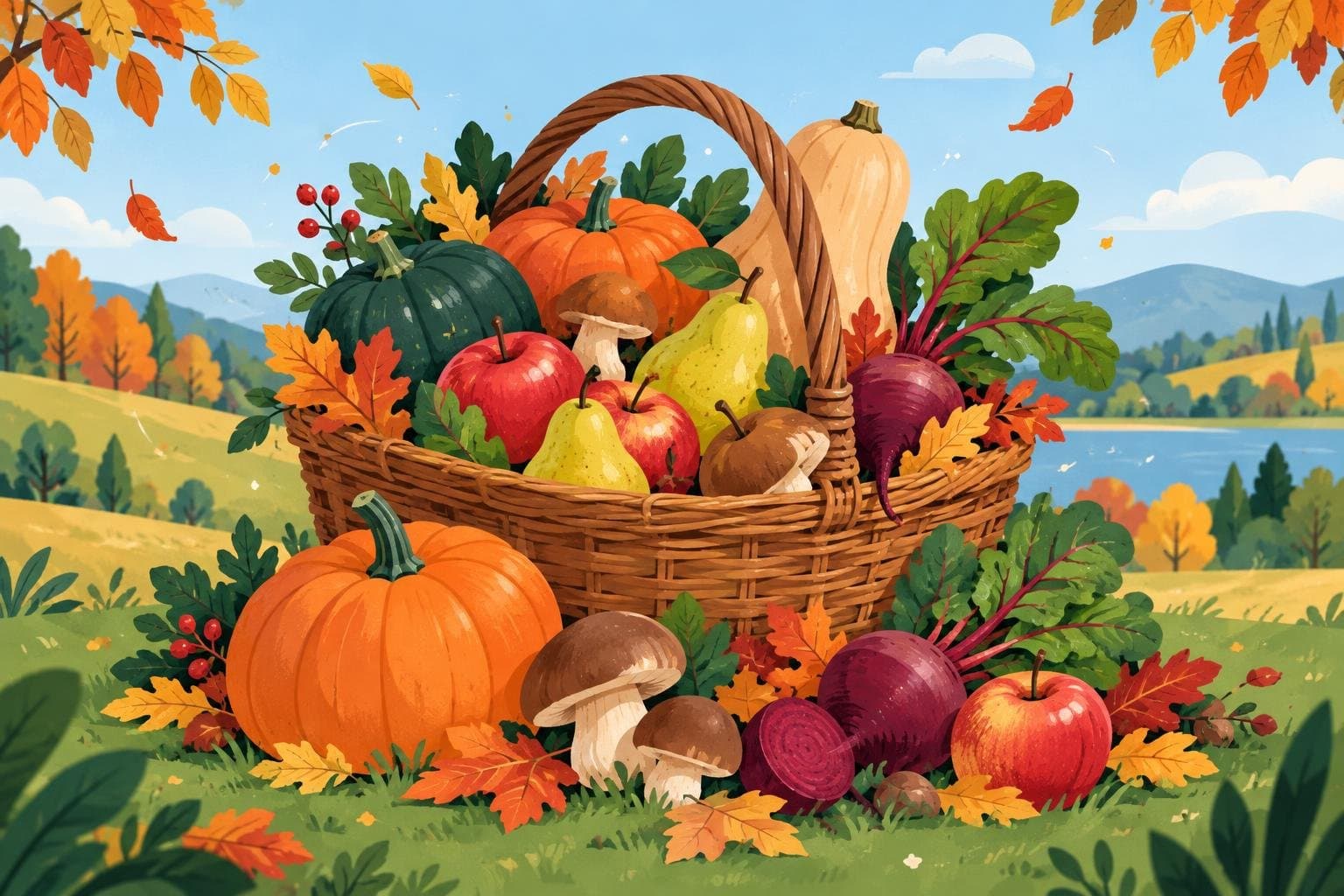
- Pumpkins and squash, sweet potatoes and beetroot
- Apples, pears and figs
- Mushrooms, cauliflower and Brussels sprouts
Winter
- Cabbage, kale, leeks and cauliflower
- Root vegetables: carrots, parsnips, turnips and swede
- Citrus fruit: oranges, clementines, grapefruit and lemons
Cook to the season
Seasons naturally suggest what to cook. Light salads, grilled vegetables and cold noodles suit summer; soups, roasts and stews suit winter. Letting the season guide your plan is also an easy way to keep variety in your meals across the year.
When you plan in Mealful, you can search recipes by ingredient, so it's easy to build a week around whatever looks best at the market.
This article is general information, not medical advice. If you have a health condition or specific dietary needs, talk to a doctor or registered dietitian.