Fitness2 min read
What to eat before a workout (and when)
The right pre-workout meal or snack gives you energy without weighing you down. What to eat, how long before, and easy ideas for every schedule.
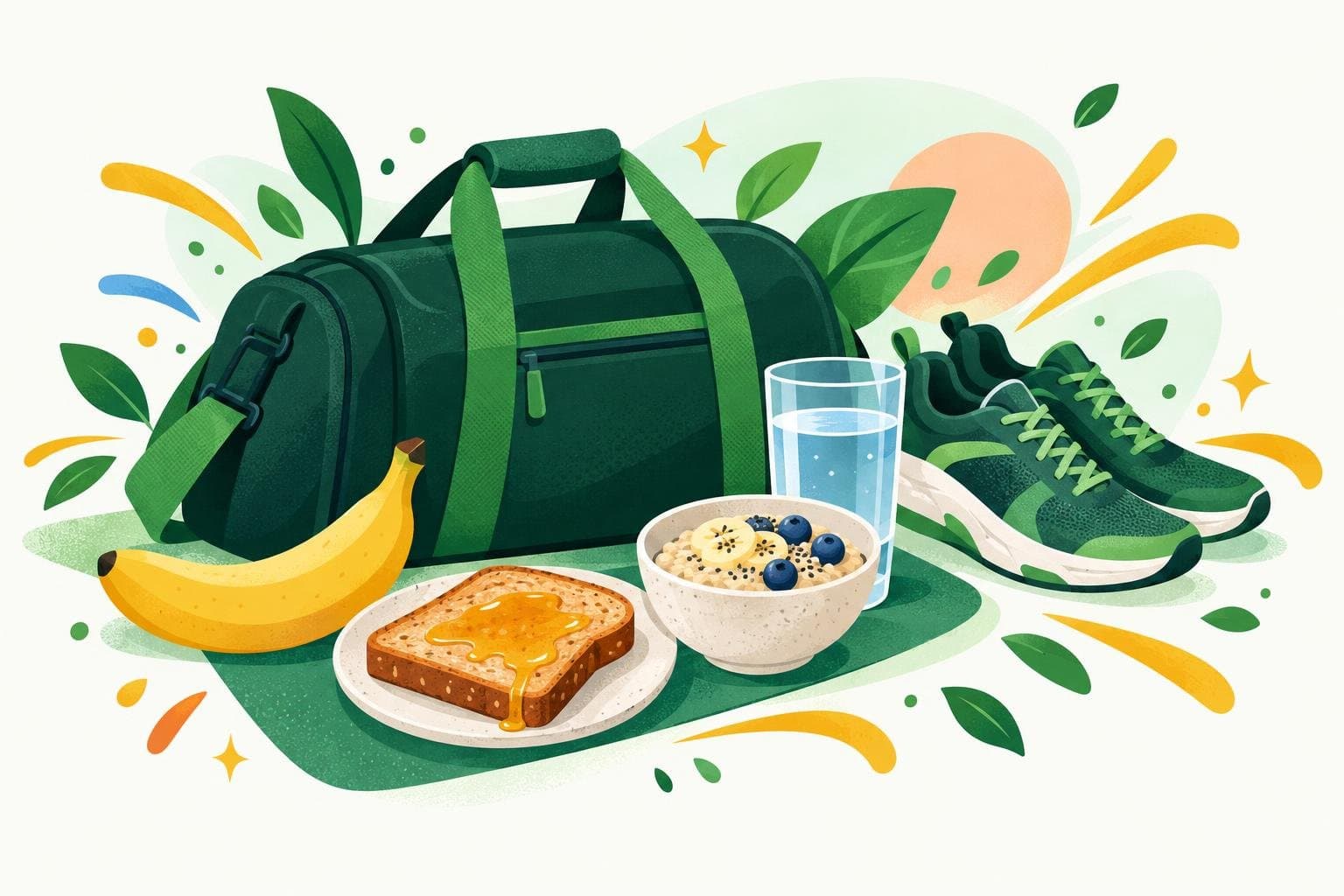
Training on an empty stomach can leave you flat and lightheaded, while a heavy meal right before can make you sluggish or uncomfortable. Getting the timing and the type of food right makes workouts feel easier and more productive.
Timing is everything
- 2 to 3 hours before: a normal balanced meal with carbs, protein and some vegetables
- 30 to 60 minutes before: a small, easy-to-digest snack, mostly carbohydrate
- Under 30 minutes: something very light, like a banana, or nothing at all
Why carbs matter
Carbohydrates are your muscles' main fuel for moderate to hard exercise. A carb-based snack tops up your energy stores so you can push harder and for longer. A little protein helps too, but keep fat and fibre low right before training, since both slow digestion.
Pre-workout meal ideas (2–3 hours before)
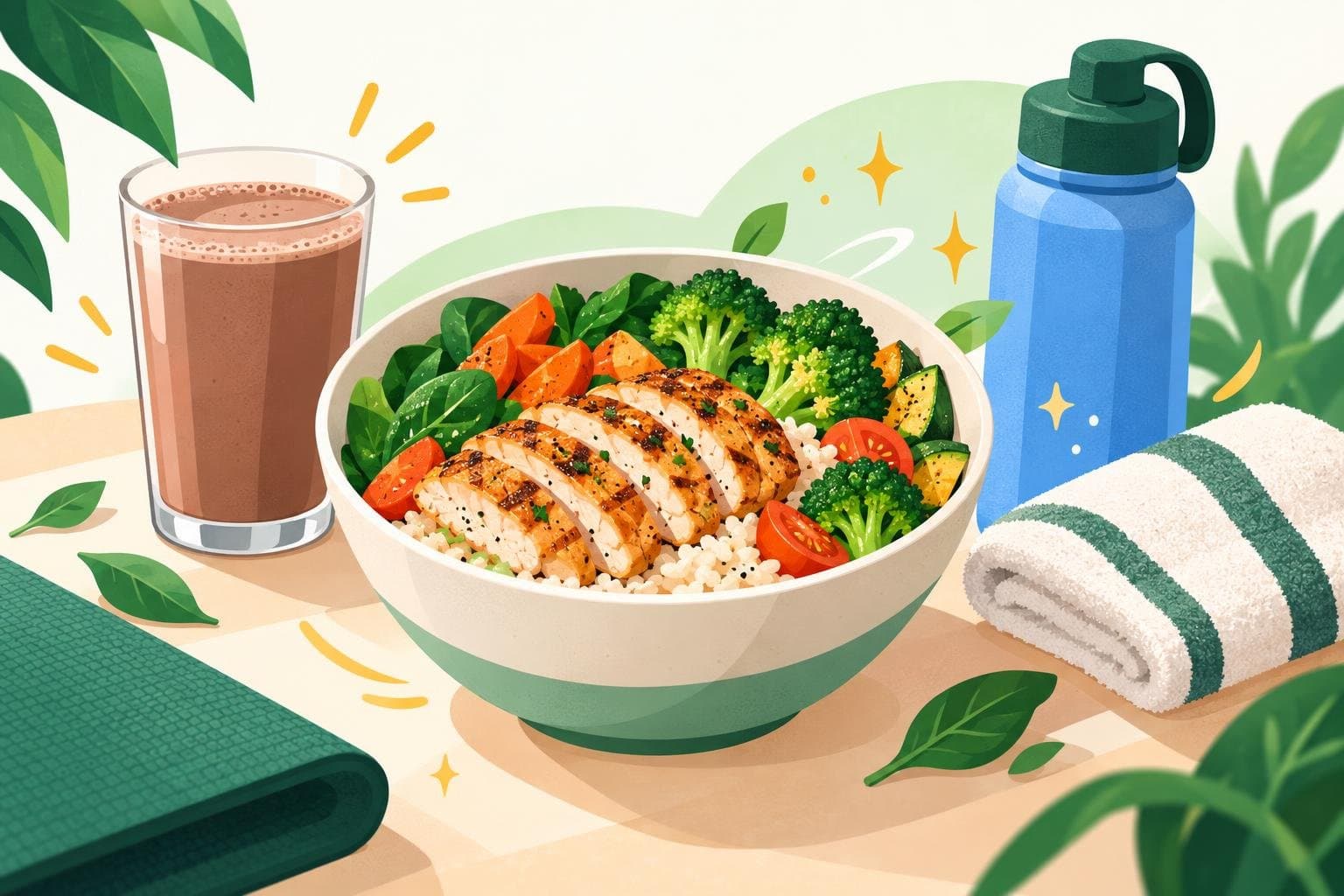
- Chicken, rice and roasted vegetables
- Oats with milk, banana and a spoon of nut butter
- A wholegrain wrap with eggs or tuna and salad
- Pasta with tomato sauce and lean mince or lentils
Pre-workout snack ideas (30–60 minutes before)
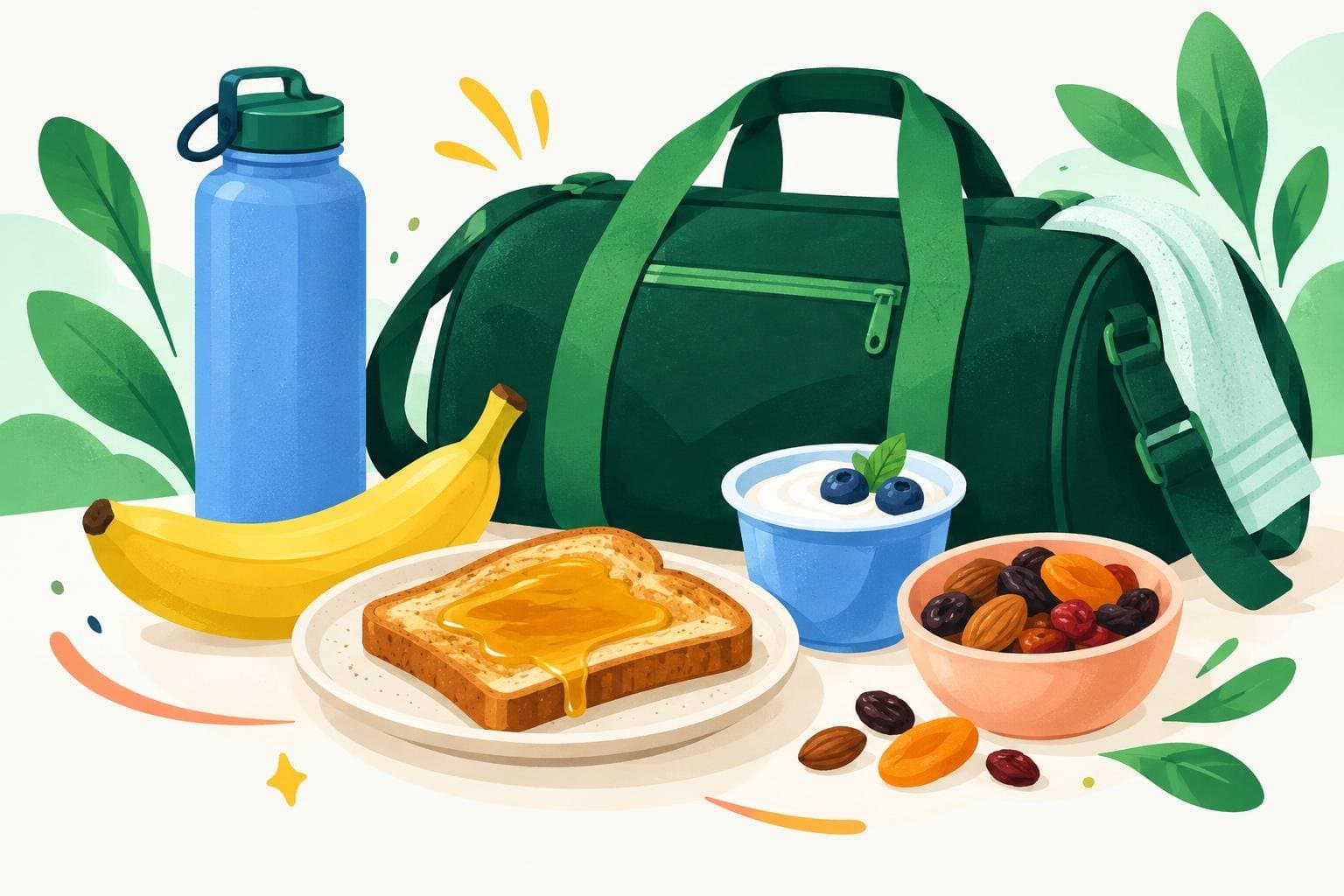
- A banana or an apple
- A slice of toast with honey or jam
- A small pot of yoghurt with fruit
- A handful of dried fruit
- Rice cakes with a thin layer of peanut butter
Morning workouts
If you train early, you may not have time for a full meal. A small snack like a banana or a glass of milk 20–30 minutes before is usually enough for a session under an hour. Some people train fine fasted for short, easy workouts; for longer or harder sessions, a little fuel usually helps.
Don't forget fluids
Start your workout well hydrated. Sip water through the day, and have a glass in the hour before training.
Plan it around your schedule
In Mealful, you can plan meals around the times you train, so your pre-workout meal is ready instead of an afterthought, and every snack shows its calories and macros up front.
This article is general information, not medical advice. If you have a health condition or specific dietary needs, talk to a doctor or registered dietitian.