Wellness1 min read
Foods that can help you sleep better
What to eat, what to avoid and when to have your last meal for better sleep, based on what the research actually shows.
Food alone won't fix a sleep problem, but what and when you eat can make it easier or harder to fall asleep and sleep well.
Foods with some evidence
Research in this area is still developing, and many studies are small, but a few foods come up often:
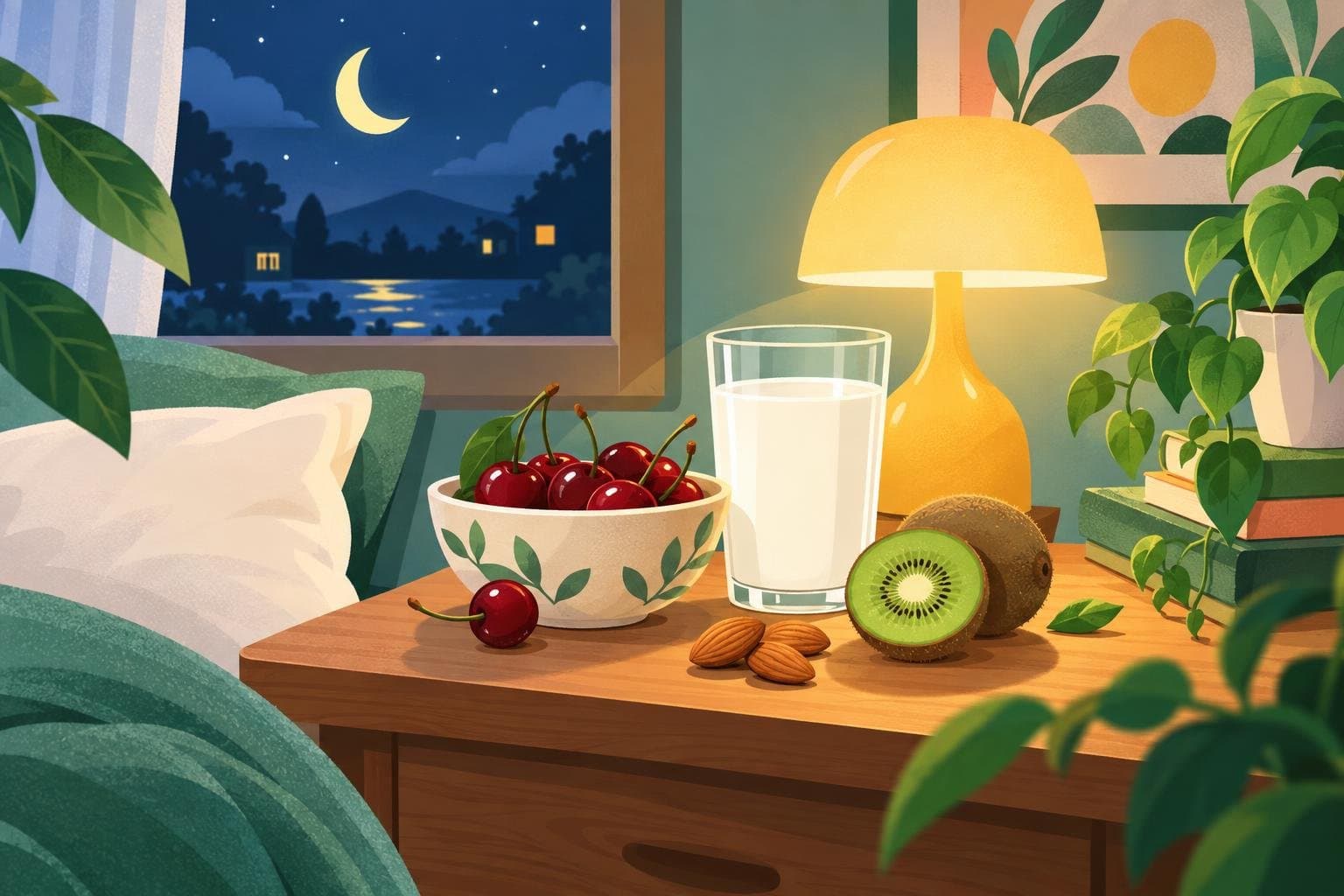
- Kiwi fruit: small studies have linked eating two kiwis before bed with better sleep
- Tart cherries and tart cherry juice: a natural source of melatonin
- Milk and yoghurt: a warm milky drink is a calming bedtime routine for many people
- Oily fish: linked with better sleep in some studies
- Oats and whole grains: a light, fibre-rich snack if you're hungry before bed
What to avoid in the evening

- Caffeine after early afternoon; its effects can last many hours
- Alcohol, which can help you fall asleep but disrupts sleep later in the night
- Large, heavy or very spicy meals close to bedtime
- Lots of fluid right before bed, if you wake up to use the bathroom
Eat regular meals
Irregular meals and long gaps can lead to evening hunger and late-night snacking. A steady daily rhythm of meals supports a steady rhythm of sleep.
A balanced day helps the night
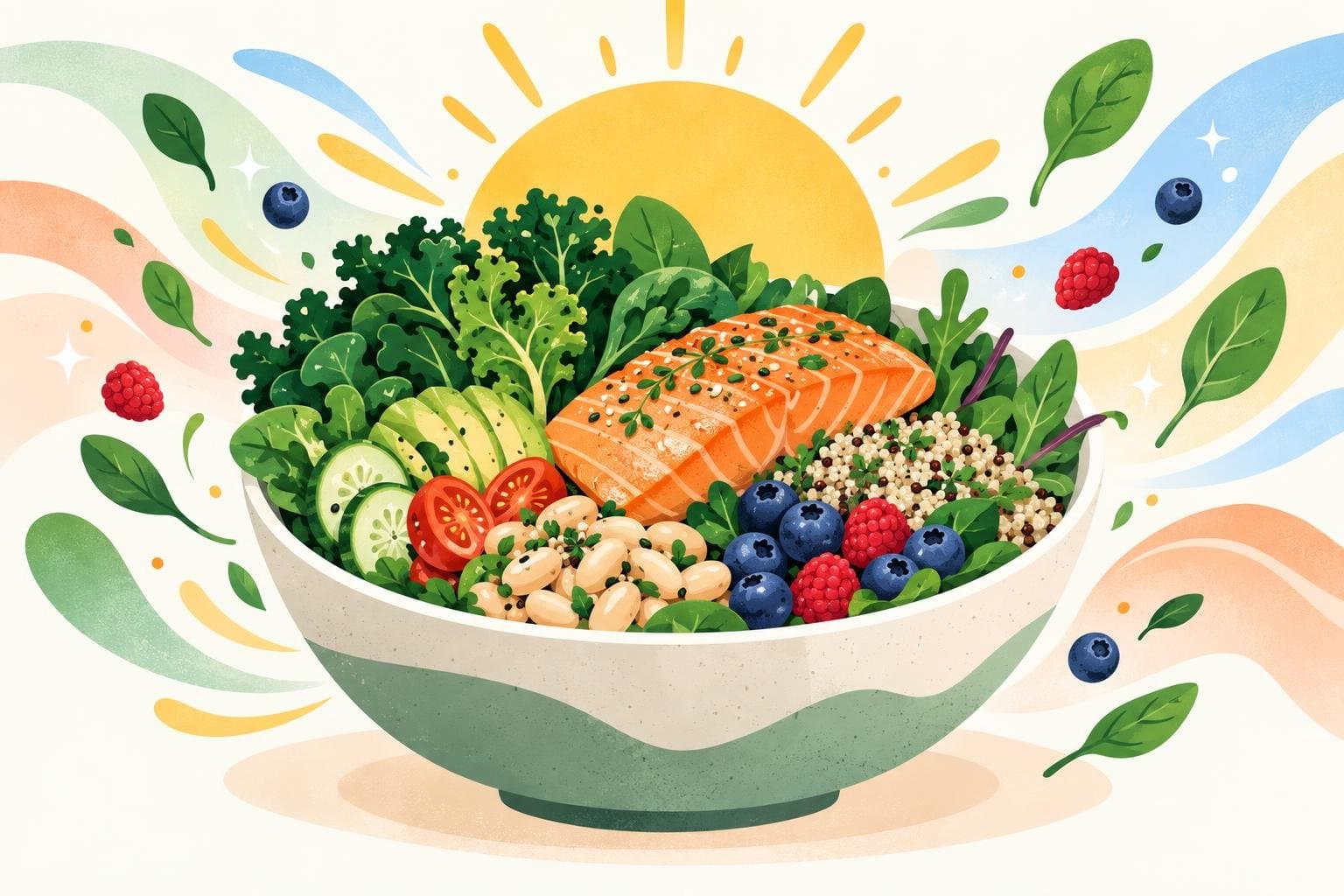
An overall diet with plenty of vegetables, fruit, whole grains and fibre is linked with better sleep quality, while diets high in sugar and saturated fat are linked with lighter, more disrupted sleep.
Plan a calmer evening
With Mealful, dinner is planned and the ingredients are already in the fridge, so evenings are less rushed. You can also set reminders to keep meals at regular times.
If you have ongoing trouble sleeping, talk to your doctor.
This article is general information, not medical advice. If you have a health condition or specific dietary needs, talk to a doctor or registered dietitian.