Fitness1 min read
Hydration for exercise: how much to drink and when
How much water you need before, during and after exercise, when electrolytes help, and simple signs you're properly hydrated.
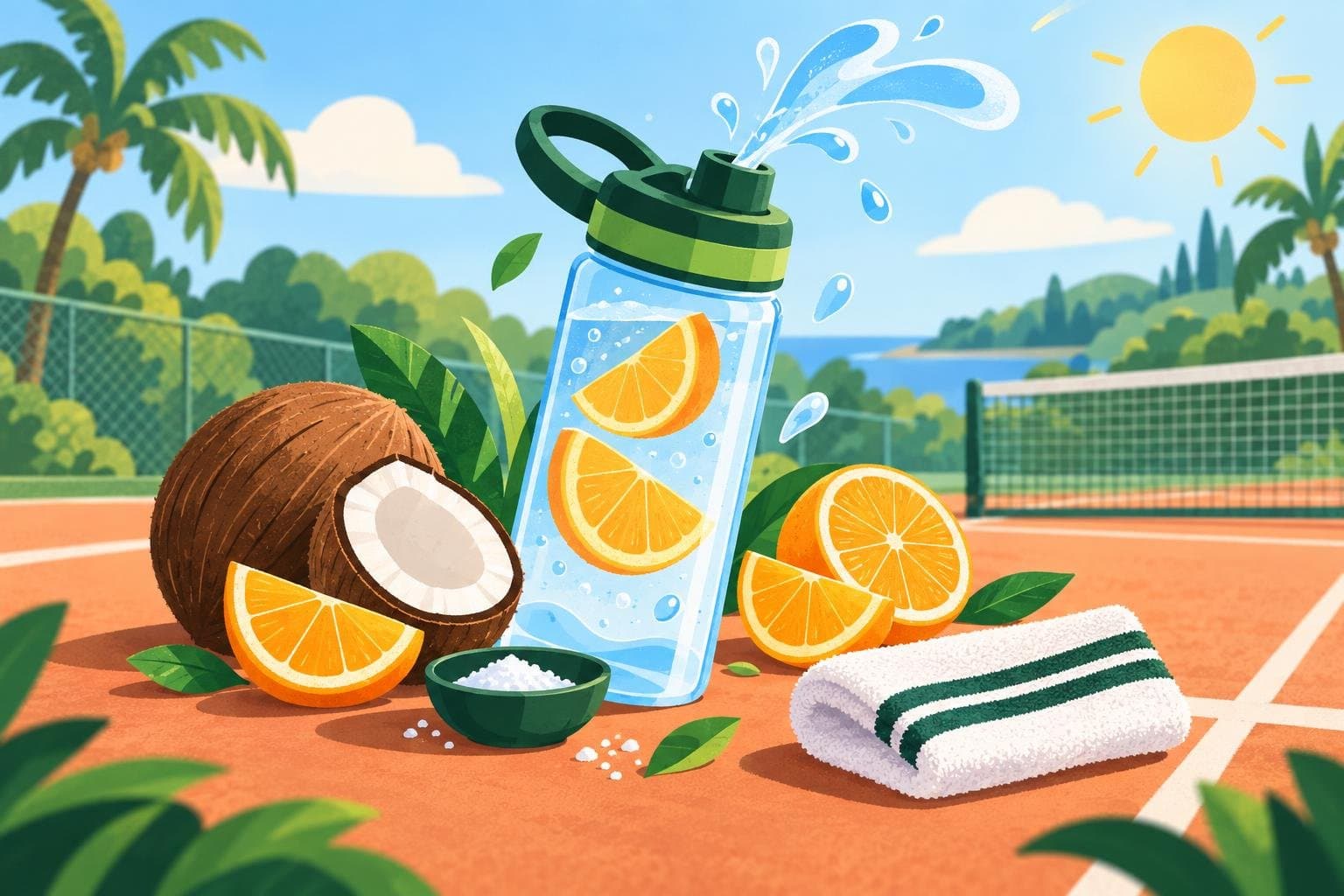
Even mild dehydration can make exercise feel harder and hurt performance. But you don't need complicated formulas to stay hydrated. A few simple habits cover most people.
Before exercise
Start well hydrated. Drink regularly through the day, and have a glass of water in the hour or two before you train.
During exercise
For most workouts under an hour, sipping water when you're thirsty is enough. For longer sessions, especially in heat, drink regularly throughout. Needs vary hugely between people, so listen to your thirst.
After exercise
Rehydrate with water and food. A simple way to gauge how much you lost is to weigh yourself before and after a long session: the difference is mostly fluid. Drinking a bit more than that over the following hours helps you recover.
When do you need electrolytes?

Sweat contains sodium and other electrolytes. For most workouts, food replaces them easily. Electrolyte drinks are most useful for:
- Sessions lasting longer than an hour or so
- Exercise in hot or humid conditions
- Heavy sweaters who see salt marks on their clothes
Don't overdo it
Drinking far more than you sweat out, especially plain water during very long events, can lower your blood sodium to dangerous levels. Drink to thirst rather than forcing down large amounts.
Food counts too
Fruit, vegetables, soups and yoghurt all contribute to your fluid intake. A meal with a little salt after a sweaty workout helps your body hold on to the fluids you drink.
This article is general information, not medical advice. If you have a health condition or specific dietary needs, talk to a doctor or registered dietitian.