Wellness1 min read
Iron-rich foods and how to absorb more iron
Why iron matters, signs you might be low, the best food sources and simple ways to absorb more from your meals.
Iron helps carry oxygen around your body. When you don't get enough, you can feel tired, weak and short of breath. Iron deficiency is one of the most common nutritional problems worldwide, especially among women of reproductive age.
How much do you need?
Needs vary by age and sex. For example, US guidelines recommend about 18 mg a day for women aged 19–50 and 8 mg for adult men. Needs rise during pregnancy.
Two types of iron
- Haem iron, from meat, poultry and fish, is absorbed well
- Non-haem iron, from plants and fortified foods, is absorbed less well
Good sources
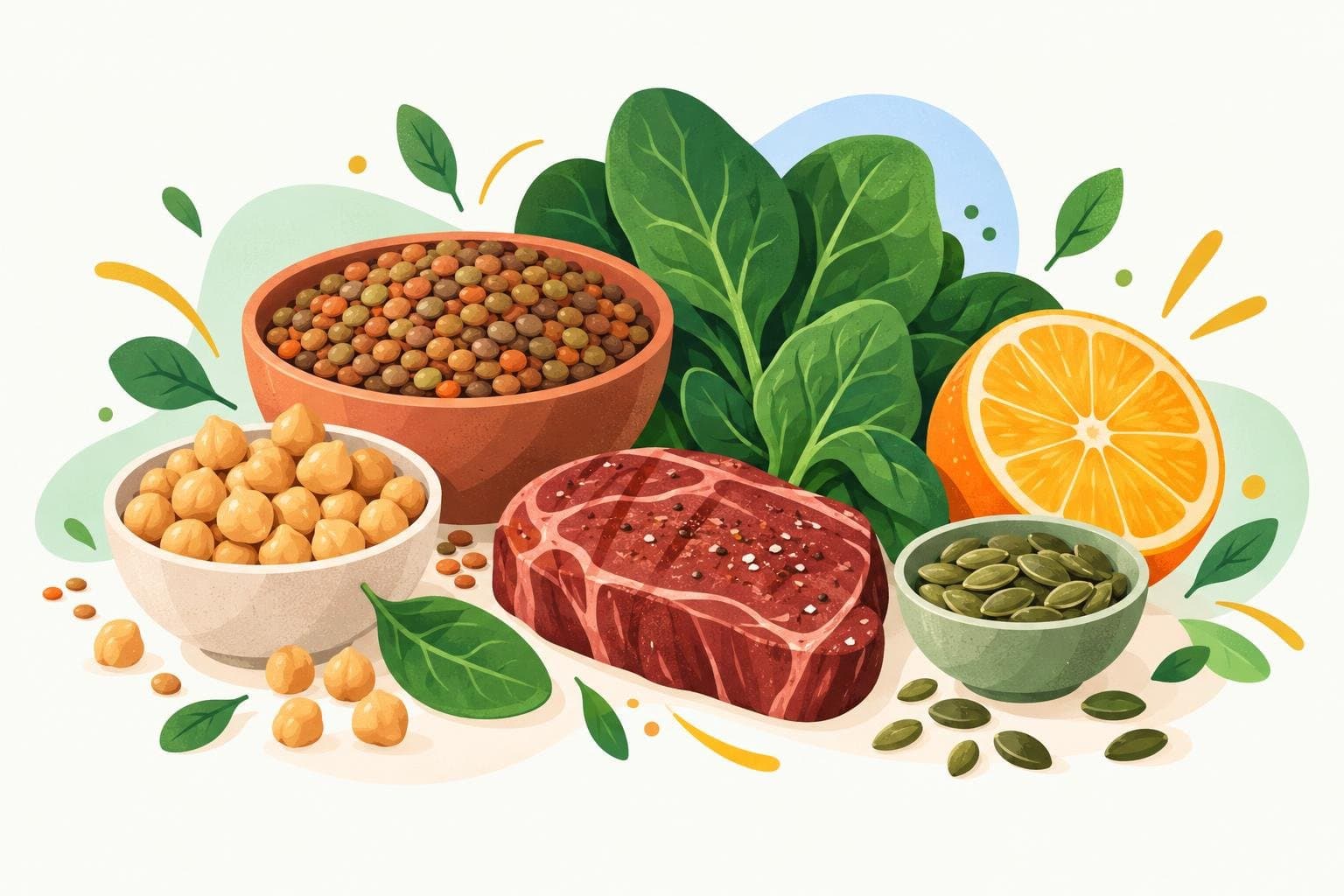
- Red meat, chicken and fish
- Lentils, beans and chickpeas
- Tofu and tempeh
- Spinach and other dark leafy greens
- Fortified breakfast cereals
- Pumpkin seeds and cashews
Absorb more iron
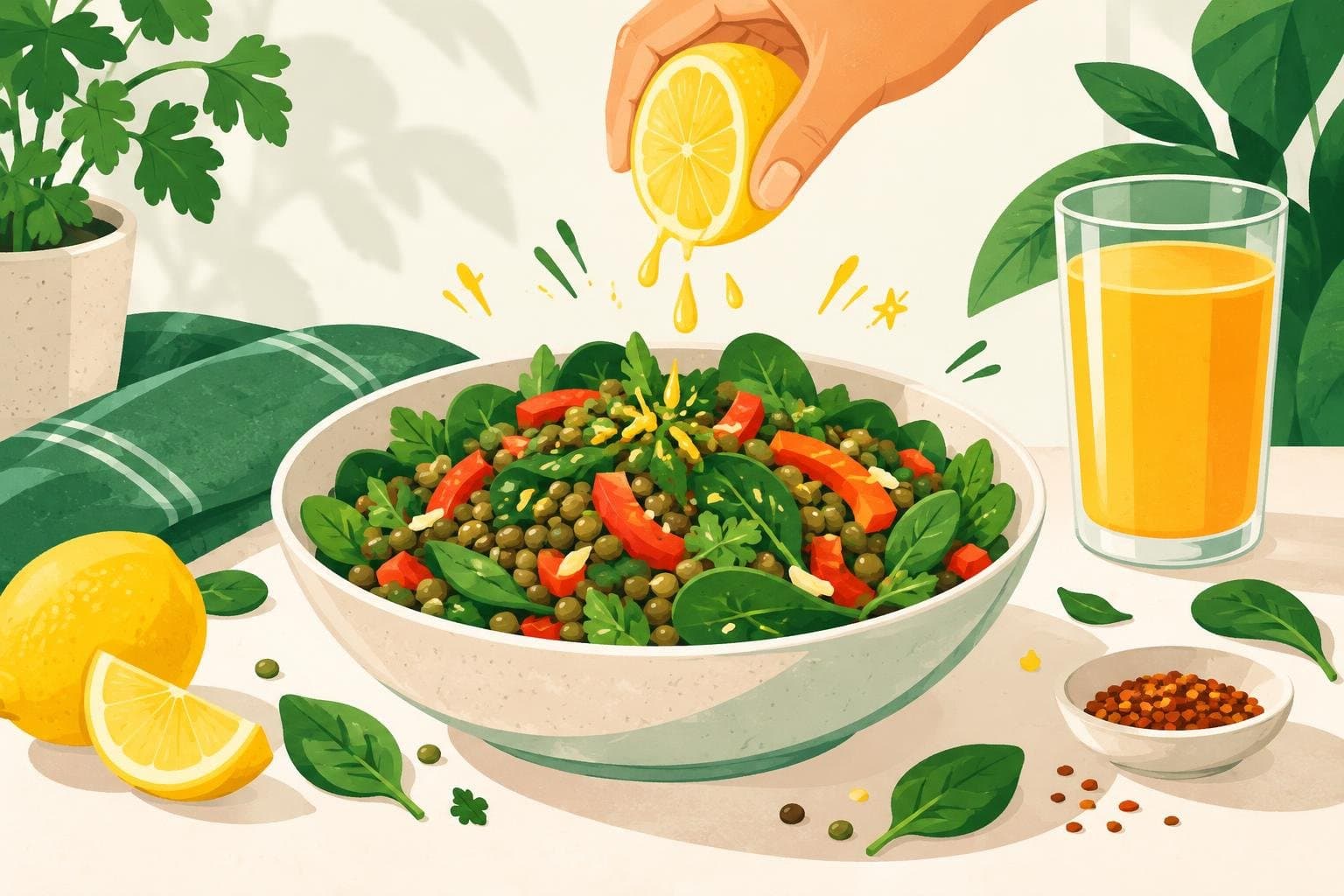
- Pair plant sources with vitamin C: peppers, tomatoes, citrus, broccoli or strawberries
- Drink tea and coffee between meals rather than with them, as they reduce iron absorption
- Combine plant and animal sources if you eat both
Signs you might be low
Ongoing tiredness, pale skin, shortness of breath, cold hands and feet, and brittle nails can be signs of low iron. Don't start iron supplements without speaking to a doctor first; a simple blood test can check your levels, and too much iron can be harmful.
Plan iron into your week
Mealful lets you search recipes by ingredient, so it's easy to build lentils, beans, leafy greens and fish into your plan.
This article is general information, not medical advice. If you have a health condition or specific dietary needs, talk to a doctor or registered dietitian.