Fitness1 min read
Running nutrition for beginners: fuel your runs right
What to eat before, during and after a run, when you need to fuel on the go, and how to avoid the dreaded stomach issues.
Whether you're doing your first 5K or building up to a half marathon, food can make the difference between a run that feels great and one that feels like a struggle.
Before you run
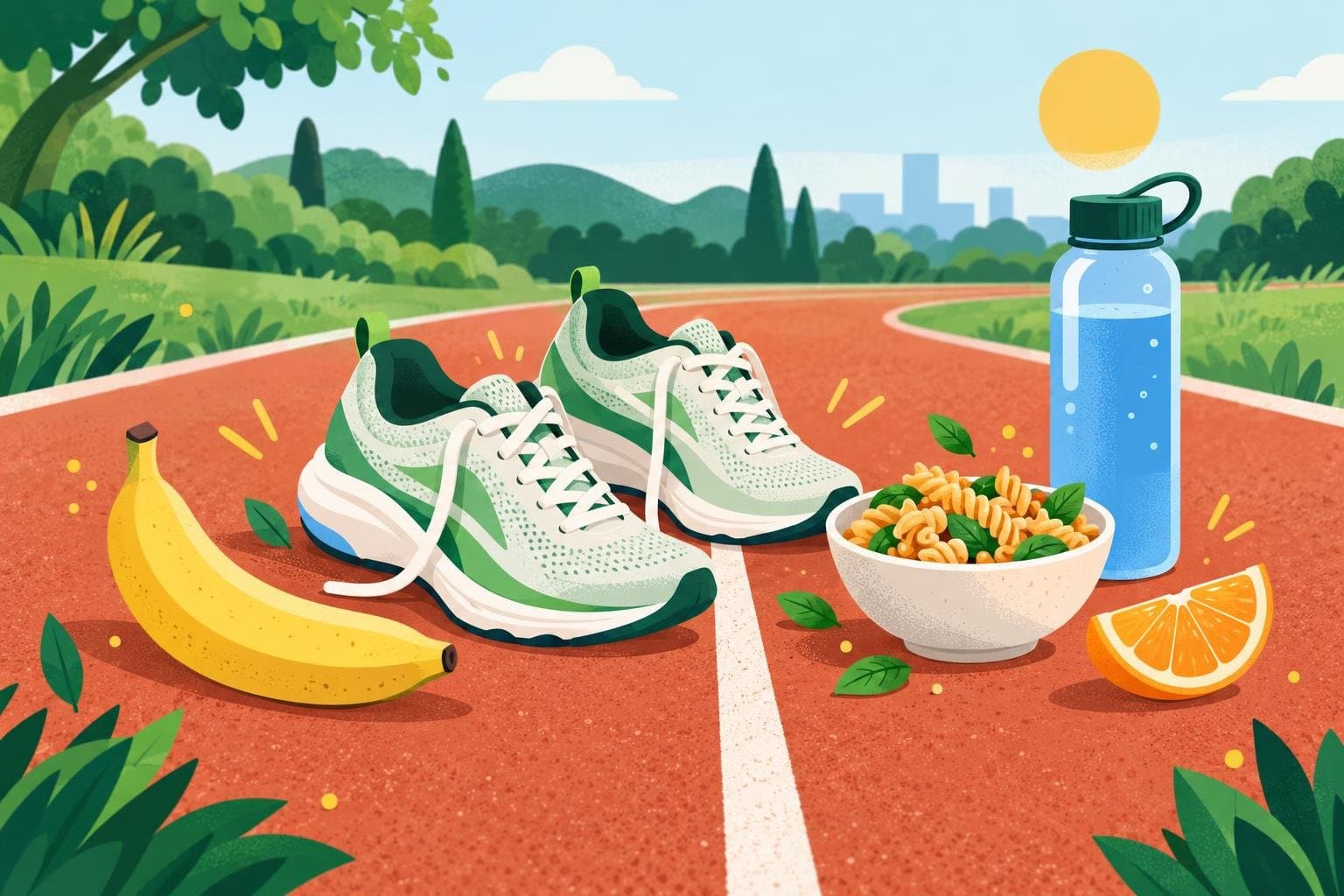
For short, easy runs under an hour, a normal diet is usually enough. Eat a balanced meal a few hours before, or a small carb-based snack like a banana or toast 30–60 minutes beforehand.
During your run
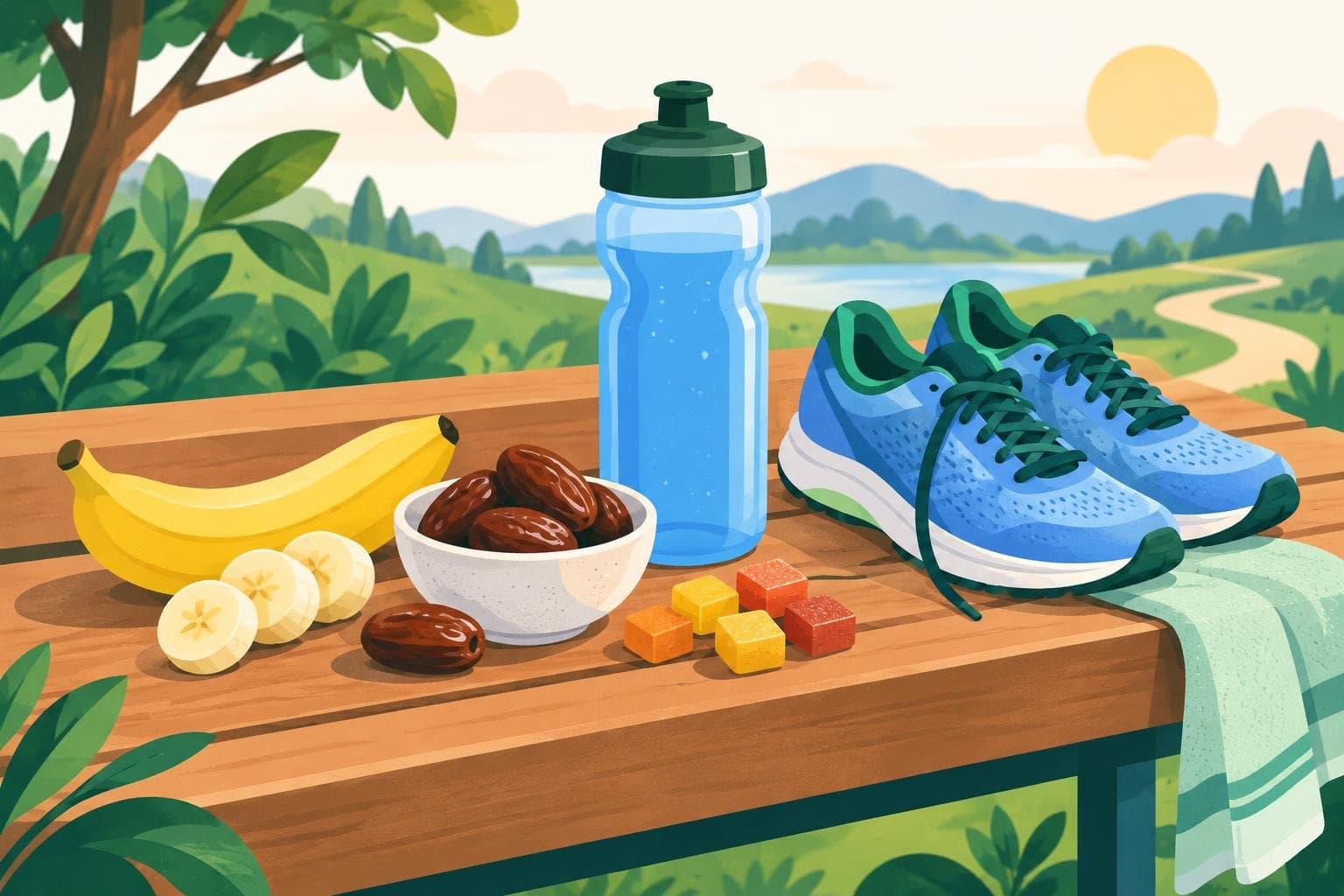
You don't need to eat during runs shorter than about an hour. For longer runs, many runners take in around 30 to 60 grams of carbohydrate per hour, from sports drinks, gels, chews or simple foods like bananas or dates.
After your run
Have a meal or snack with carbohydrate and protein within a couple of hours. Good options include:
- Porridge with milk, fruit and nuts
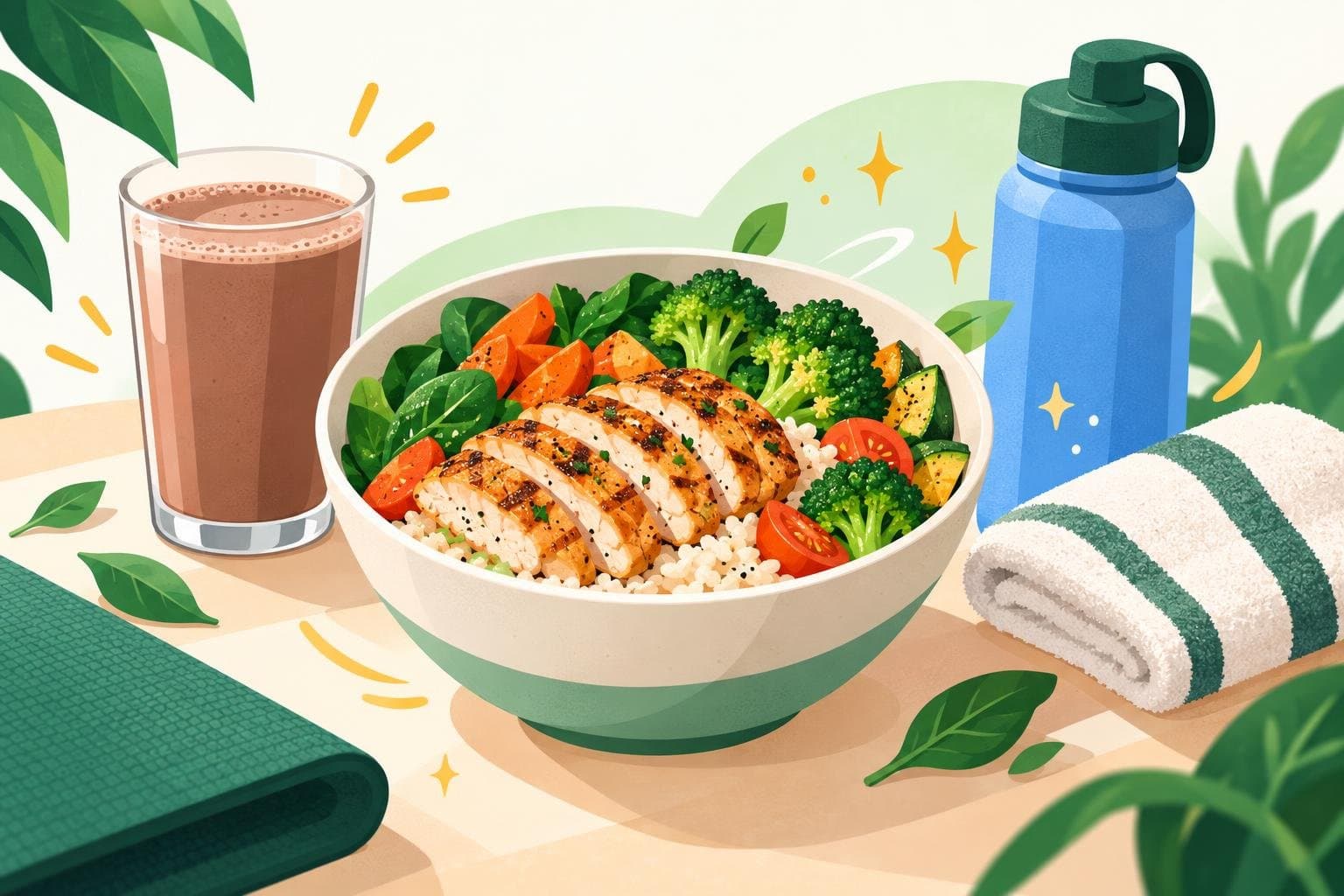
- A chicken, rice and vegetable bowl
- A bagel with eggs
- Chocolate milk and a banana
Everyday eating for runners
- Base meals on whole grains, potatoes, fruit and vegetables for steady energy
- Include protein at each meal to help muscles recover
- Don't fear carbohydrates; they're your main fuel
- Eat enough overall; under-eating can lead to fatigue and injury
Avoid stomach problems
Runners often deal with stomach issues mid-run. Keep fibre, fat and spicy food low in the meal before a run, avoid trying new foods before long runs and races, and give yourself enough time to digest.
Plan your training week
Long-run days need more fuel than rest days. With Mealful, you can plan heartier meals on big training days and lighter ones on rest days, with every meal's nutrition shown up front.
This article is general information, not medical advice. If you have a health condition or specific dietary needs, talk to a doctor or registered dietitian.