Habits1 min read
How sleep affects your appetite and food choices
Short sleep can make you hungrier and nudge you towards less healthy foods. What the research says, and how to eat for better sleep.
If you've ever noticed you snack more after a bad night, you're not imagining it. Sleep and appetite are closely connected, and improving one often helps the other.
What happens when you sleep less
Research links short sleep with changes in the hormones that regulate appetite: ghrelin, which signals hunger, tends to rise, while leptin, which signals fullness, tends to fall. Studies have also found that sleep-deprived people often choose more high-calorie foods and eat more overall.
Tiredness also lowers motivation to cook and makes convenient, highly palatable foods more tempting. It's a recipe for takeout.
How much sleep do you need?
Most health organisations recommend at least seven hours a night for adults. Consistency matters too: going to bed and waking at similar times helps regulate your body clock.
Eating for better sleep
- Avoid large, heavy meals right before bed
- Limit caffeine in the afternoon and evening; its effects can last for hours
- Go easy on alcohol, which can disrupt sleep later in the night
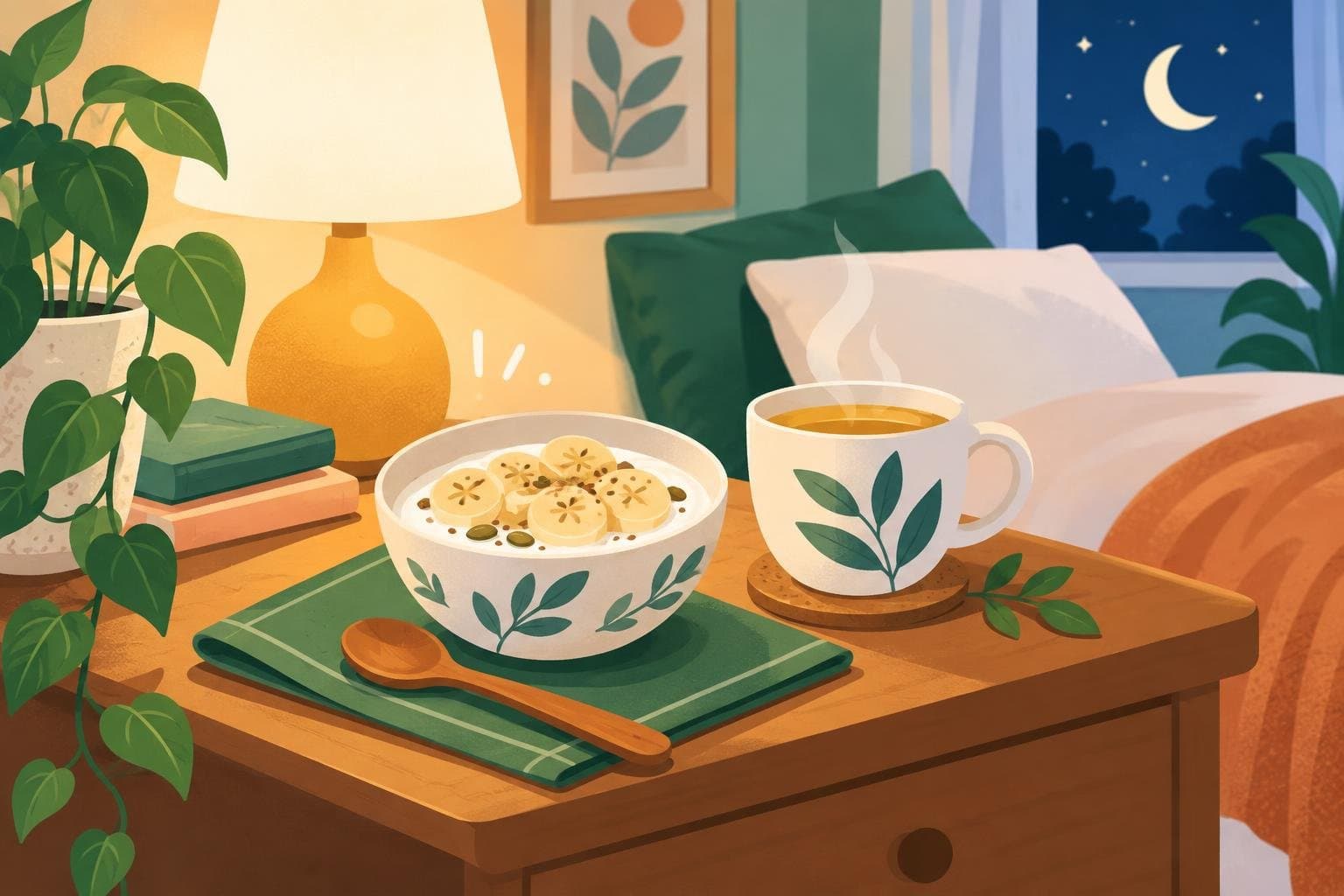
- If you're hungry before bed, have a light snack like yoghurt, a banana or a small bowl of oats
On tired days, plan ahead
You can't always control your sleep, but you can make tired days easier. Having meals planned and ingredients in the fridge means a bad night doesn't automatically become a takeout night.
Mealful plans your meals in advance and can remind you when it's time to eat or plan, so your routine holds up even when your energy doesn't.
This article is general information, not medical advice. If you have a health condition or specific dietary needs, talk to a doctor or registered dietitian.