Wellness1 min read
Vitamin D: can you get enough from food?
Why vitamin D matters, the few foods that contain it, and when a supplement might make sense.
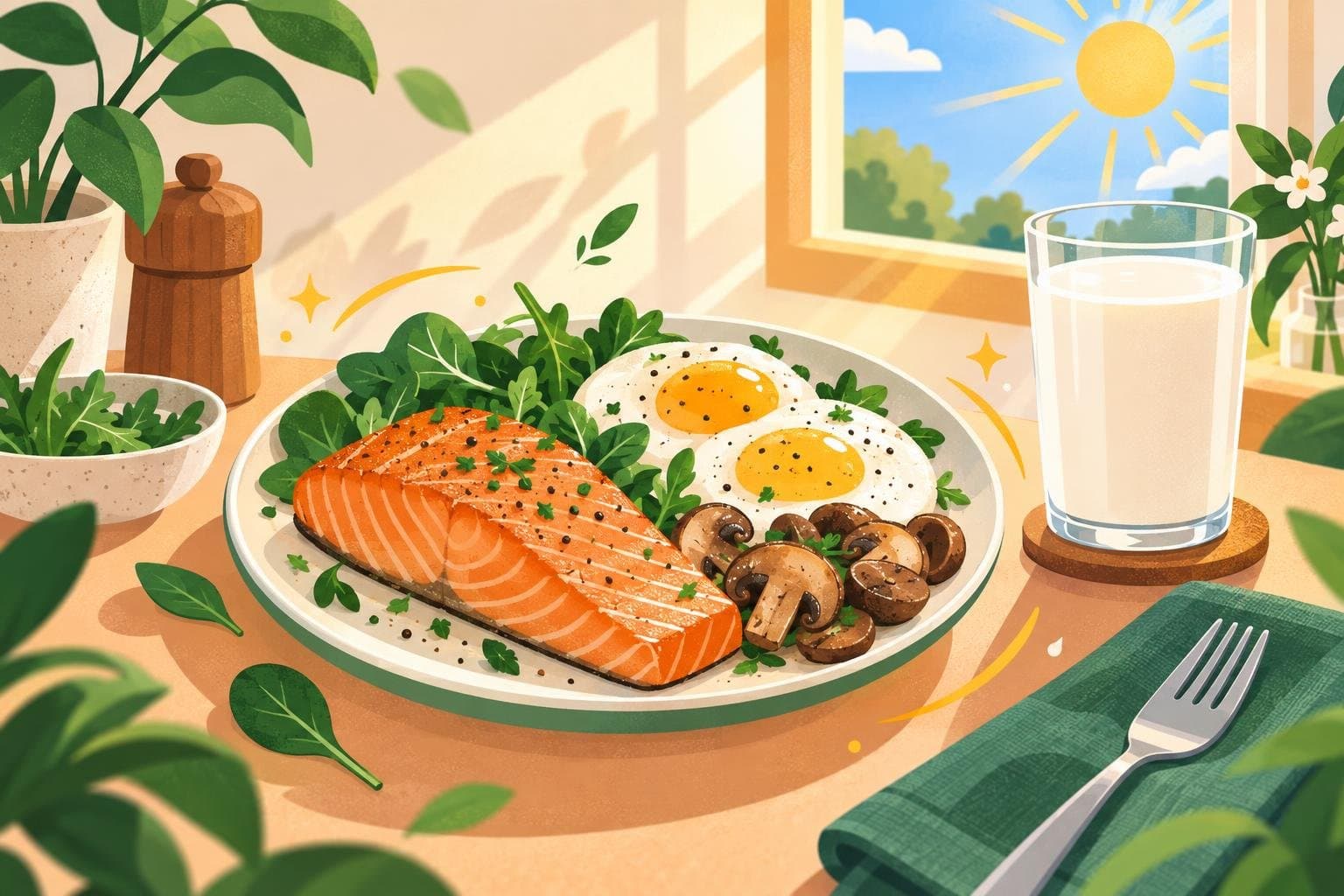
Vitamin D helps your body absorb calcium and keep bones, teeth and muscles healthy. Most of it is made in your skin when it's exposed to sunlight, which is why many people run low in winter.
Food sources
Very few foods naturally contain much vitamin D. The best include:
- Oily fish: salmon, mackerel, sardines, herring and trout
- Egg yolks
- Mushrooms exposed to UV light
- Fortified foods: some milks, plant drinks, yoghurts and breakfast cereals
Why food alone often isn't enough
Even with a diet that includes oily fish, it can be hard to get enough vitamin D from food alone, especially in autumn and winter in northern countries when the sun is weaker.
When to consider a supplement
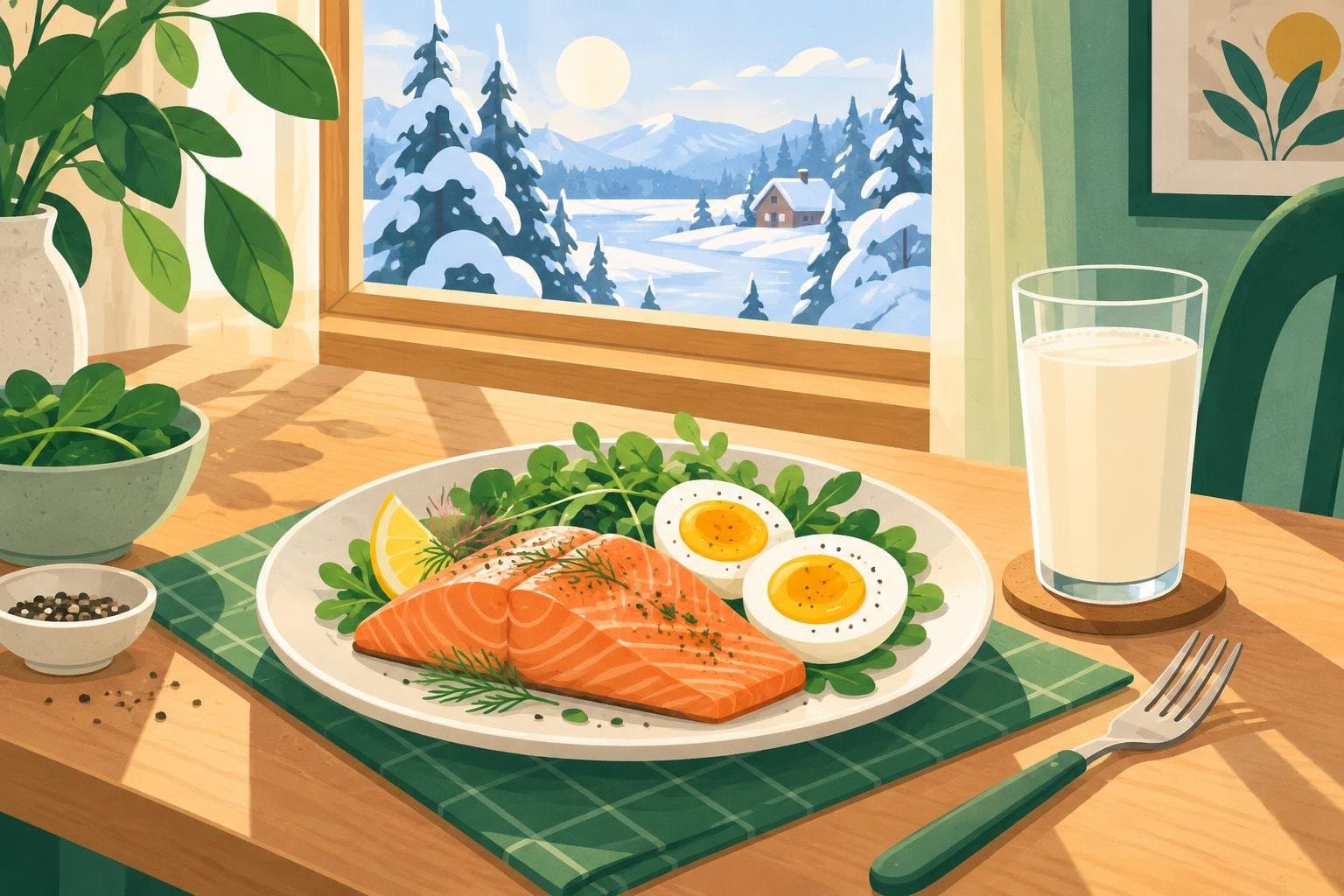
Some health authorities recommend supplements during darker months. For example, the UK's NHS advises considering 10 micrograms a day in autumn and winter, and year-round for people who get little sun exposure. Advice varies by country, so check local guidance or ask your doctor.
Don't overdo it
Very high doses of vitamin D over a long time can be harmful. Stick to recommended amounts unless your doctor advises otherwise.
Eat oily fish regularly
Aim for oily fish once or twice a week. With Mealful, you can search for salmon or mackerel recipes and drop them into your plan, so it becomes a habit rather than something you forget.
This article is general information, not medical advice. If you have a health condition or specific dietary needs, talk to a doctor or registered dietitian.