Nutrition2 min read
How to cut back on added sugar without feeling deprived
Where added sugar hides, how much is too much, and gradual swaps that retrain your taste buds instead of relying on willpower.
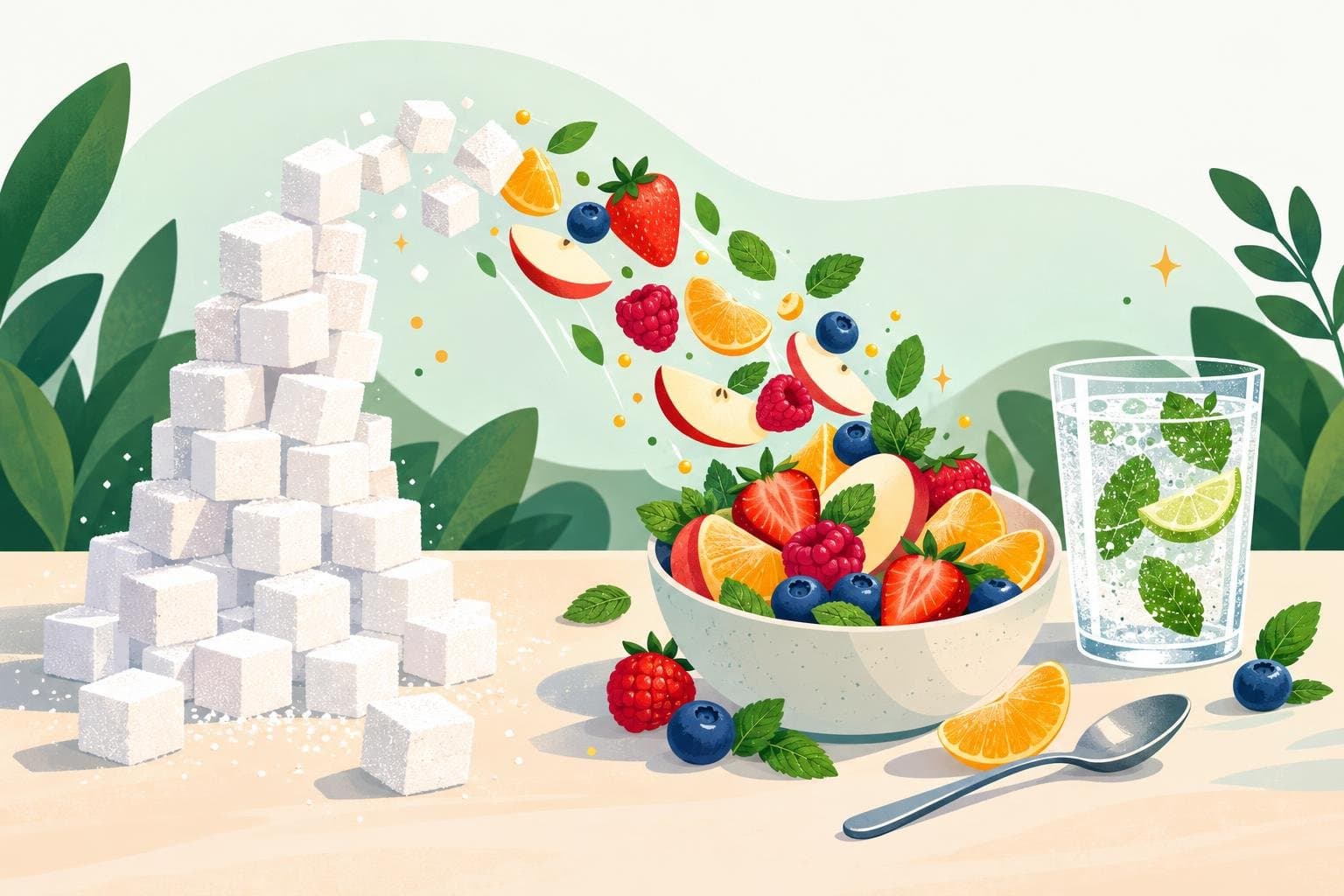
Sugar isn't poison, and a dessert now and then is part of a normal life. But added sugar is easy to overeat because it hides in so many everyday foods. Cutting back is less about willpower and more about knowing where it comes from.
Added vs natural sugar
Guidelines focus on added sugars: sugars put into food during processing or cooking, plus those in syrups, honey and fruit juice. The sugar naturally found in whole fruit and plain milk comes with fibre, water and nutrients, and isn't the main concern.
How much is too much?
The World Health Organization recommends keeping free sugars below 10% of daily calories, with further benefits below 5%. On a 2,000-calorie diet, 10% is about 50 grams, or roughly 12 teaspoons. A single can of regular soft drink can contain most of that.
Where it hides
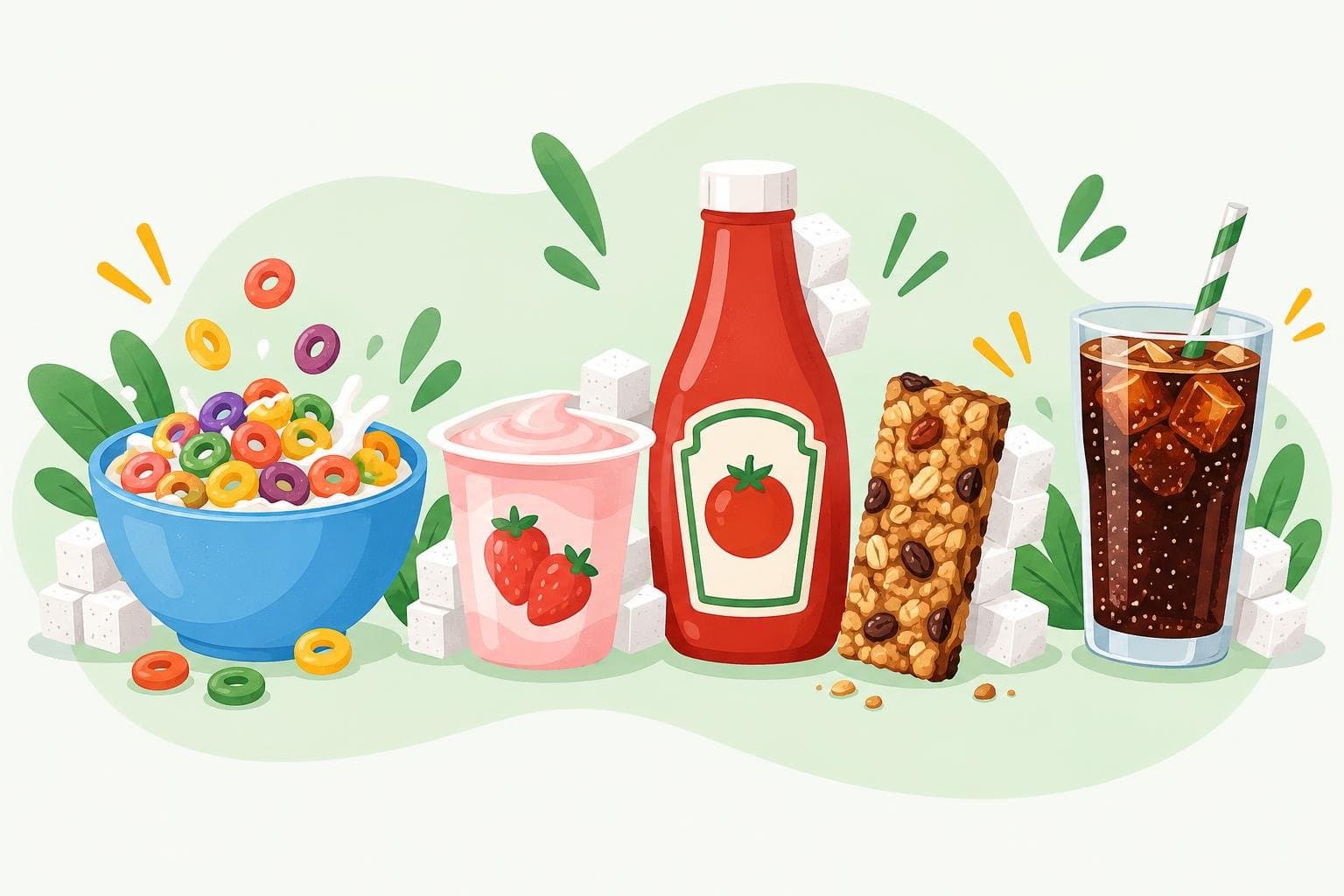
- Soft drinks, energy drinks, sweetened coffee drinks and fruit juice
- Flavoured yoghurts and breakfast cereals
- Granola and cereal bars
- Sauces and condiments like ketchup, barbecue sauce and some pasta sauces
- Bread, crackers and 'healthy' snacks
Swaps that make a real difference
- Sparkling water with citrus or berries instead of soft drinks
- Plain yoghurt with fruit instead of flavoured yoghurt
- Oats with cinnamon and banana instead of sugary cereal
- A handful of nuts and a piece of fruit instead of a cereal bar
- Reduce the sugar in your tea or coffee a little each week
Don't fear fruit
Whole fruit is one of the best ways to satisfy a sweet tooth. The fibre slows how quickly the sugar is absorbed and helps fill you up. Frozen berries, dates and ripe bananas can sweeten oats, smoothies and baking naturally.
Check before you buy
Labels in many countries now list added sugars separately, and ingredients are listed by weight, so sugar near the top means there's a lot of it. When you log a packaged food in Mealful with the label in the photo, the nutrition comes straight from the label.
This article is general information, not medical advice. If you have a health condition or specific dietary needs, talk to a doctor or registered dietitian.