Nutrition1 min read
The glycemic index explained simply
What the glycemic index measures, how useful it really is, and practical ways to keep your blood sugar steadier.
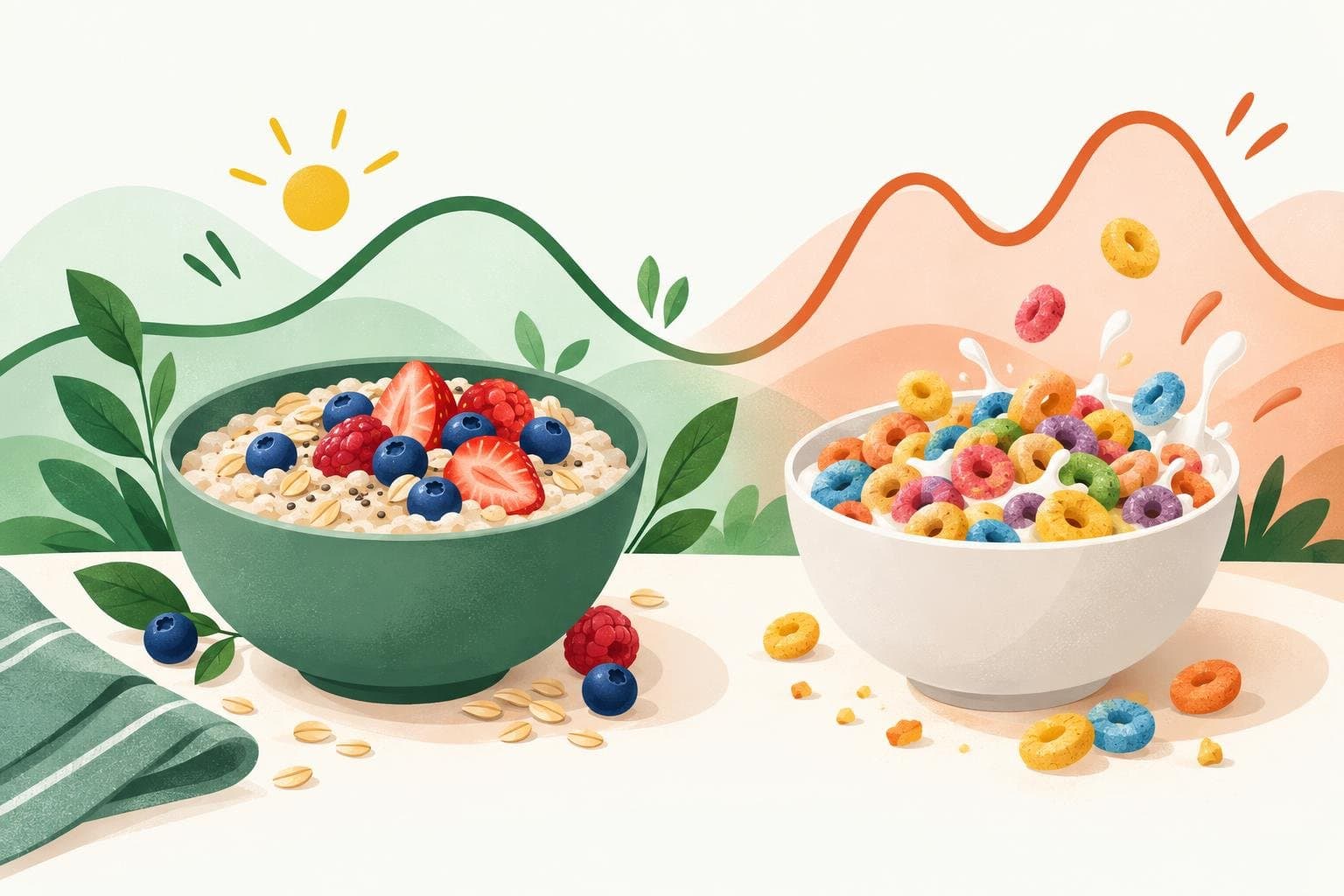
The glycemic index (GI) ranks carbohydrate foods by how quickly they raise blood sugar. It's often mentioned in diet advice, but it's easy to misunderstand.
How GI works
Foods are ranked on a scale from 0 to 100, compared with pure glucose:
- Low GI (55 or less): oats, most fruit, beans, lentils, wholegrain bread
- Medium GI (56–69): brown rice, some breakfast cereals
- High GI (70 or more): white bread, white rice, potatoes, many processed snacks
The limitations
GI doesn't account for how much you eat. Glycemic load (GL) does, by combining GI with portion size. Watermelon has a high GI but a low glycemic load because a normal portion contains few carbohydrates. GI also changes with cooking, ripeness and what you eat alongside it.
What lowers the GI of a meal

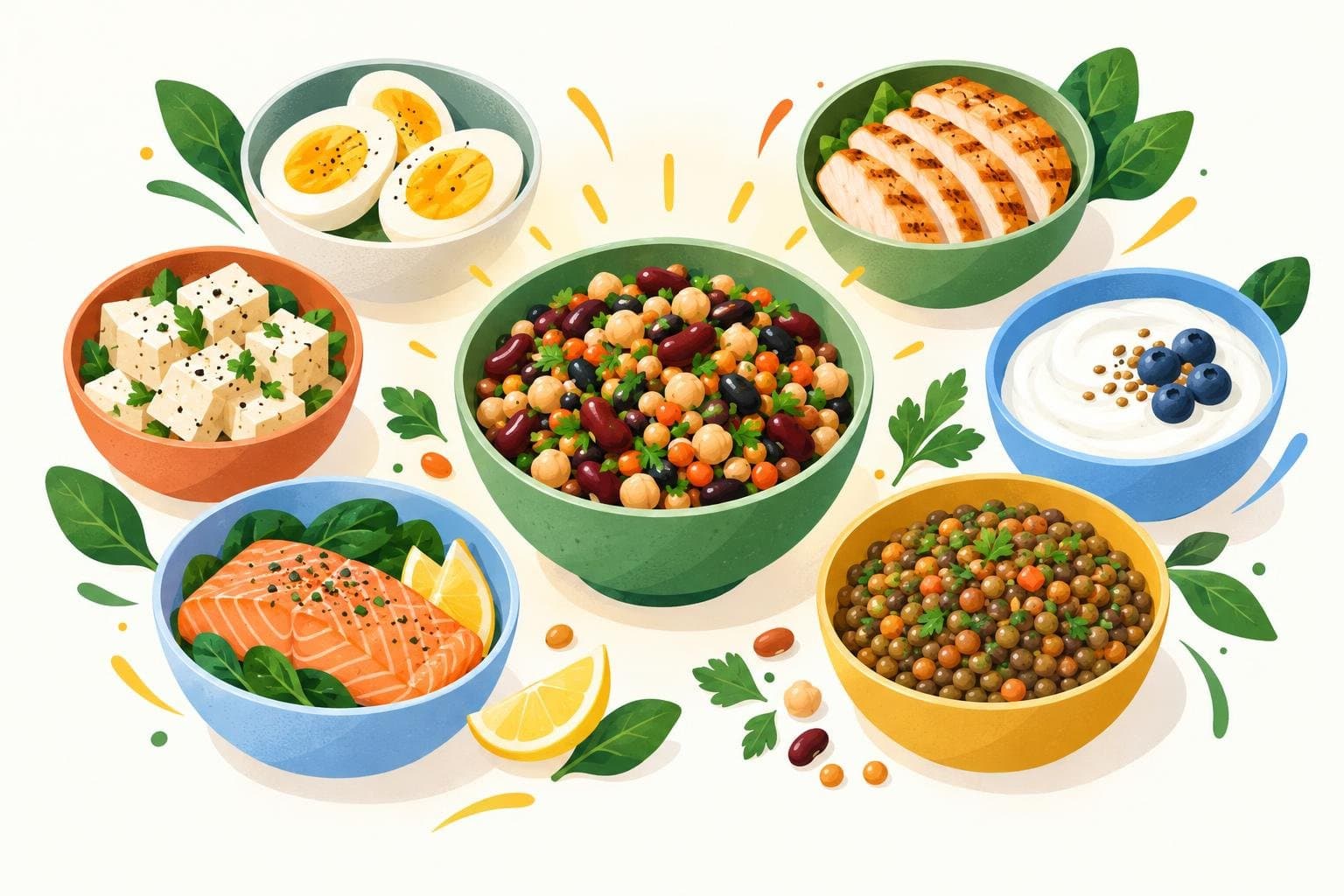
- Adding protein, like eggs, chicken, fish or tofu
- Adding healthy fats, like olive oil, nuts or avocado
- Adding fibre from vegetables and beans
- Choosing whole grains over refined
- Cooking pasta al dente
Who might find GI useful?
People managing diabetes or blood sugar may find GI a helpful tool alongside medical advice. For most people, a balanced diet rich in whole foods covers it.
Balance every meal
Mealful shows protein, carbs and fat for every recipe, which makes it easy to see when a meal is mostly carbs and could use more protein or fibre.
This article is general information, not medical advice. If you have a health condition or specific dietary needs, talk to a doctor or registered dietitian.