Nutrition2 min read
How to read a nutrition label in 30 seconds
Serving size, calories, the % Daily Value and the ingredients list: what to look at first, and what the front of the pack won't tell you.
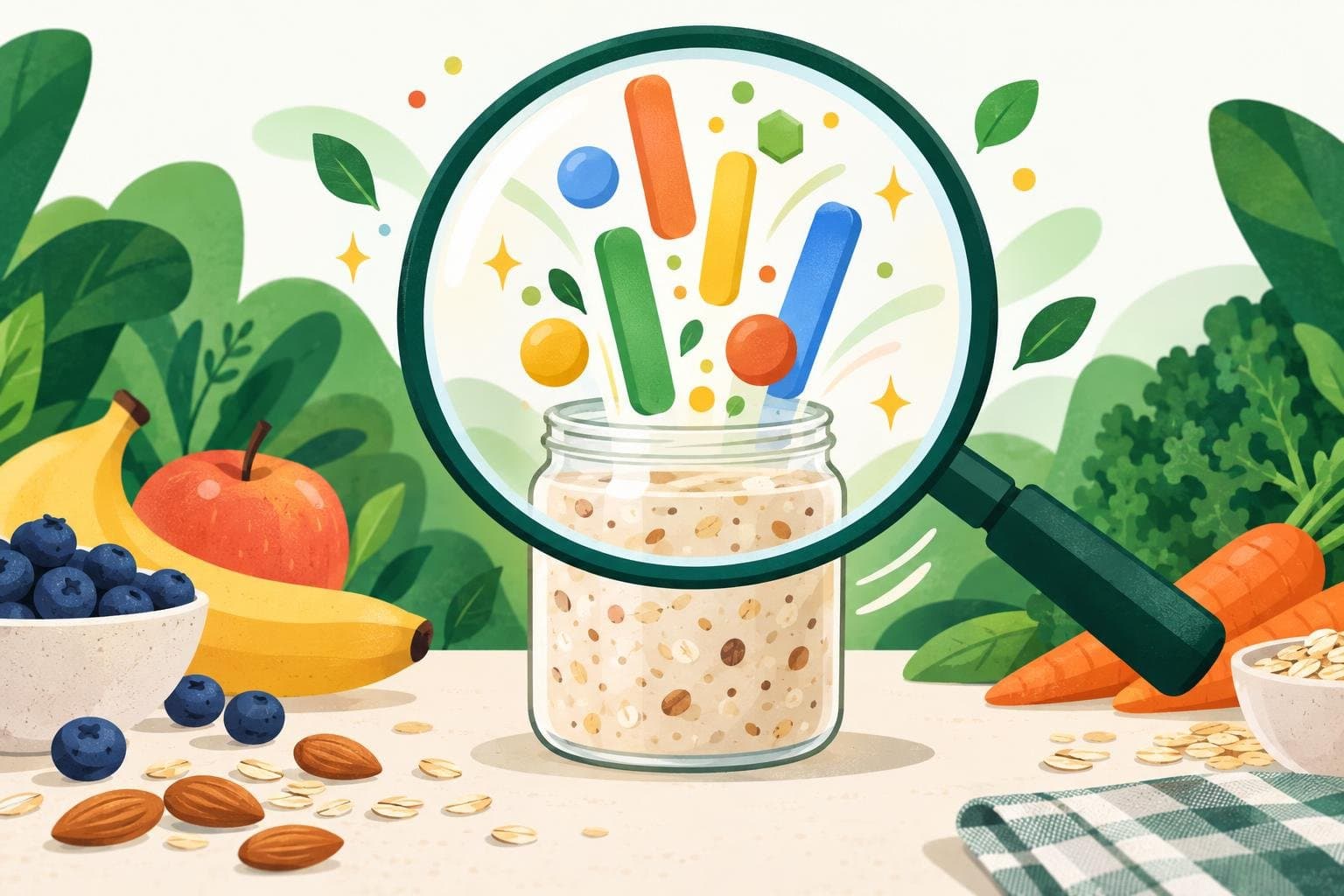
Nutrition labels pack a lot of information into a small box. You don't need to read every line. Knowing where to look first lets you compare products in seconds and see past the marketing on the front of the pack.
1. Start with the serving size
Every number on the label is based on the serving size, and it's often smaller than what people actually eat. If a bag of granola lists 30 grams as a serving and you pour 60, double everything. Some labels also show values per 100 grams, which is the easiest way to compare two products fairly.
2. Check the calories
Look at calories per serving, then think about how many servings you'll really eat. This is the number that matters most if you're working to a daily calorie goal.
3. Scan the nutrients
- Protein: more is usually helpful for staying full
- Fibre: look for 3 grams or more per serving in breads and cereals
- Saturated fat, sodium and added sugars: these are the ones most people want to keep lower
4. Use the % Daily Value as a shortcut
On US labels, the % Daily Value (%DV) shows how much a serving contributes to a typical day. A handy rule of thumb: 5% or less is low, and 20% or more is high. Aim high for fibre, vitamins and minerals, and low for sodium, saturated fat and added sugars. Labels in other countries may use traffic-light colours or reference intakes instead, but the idea is the same.
5. Read the ingredients list
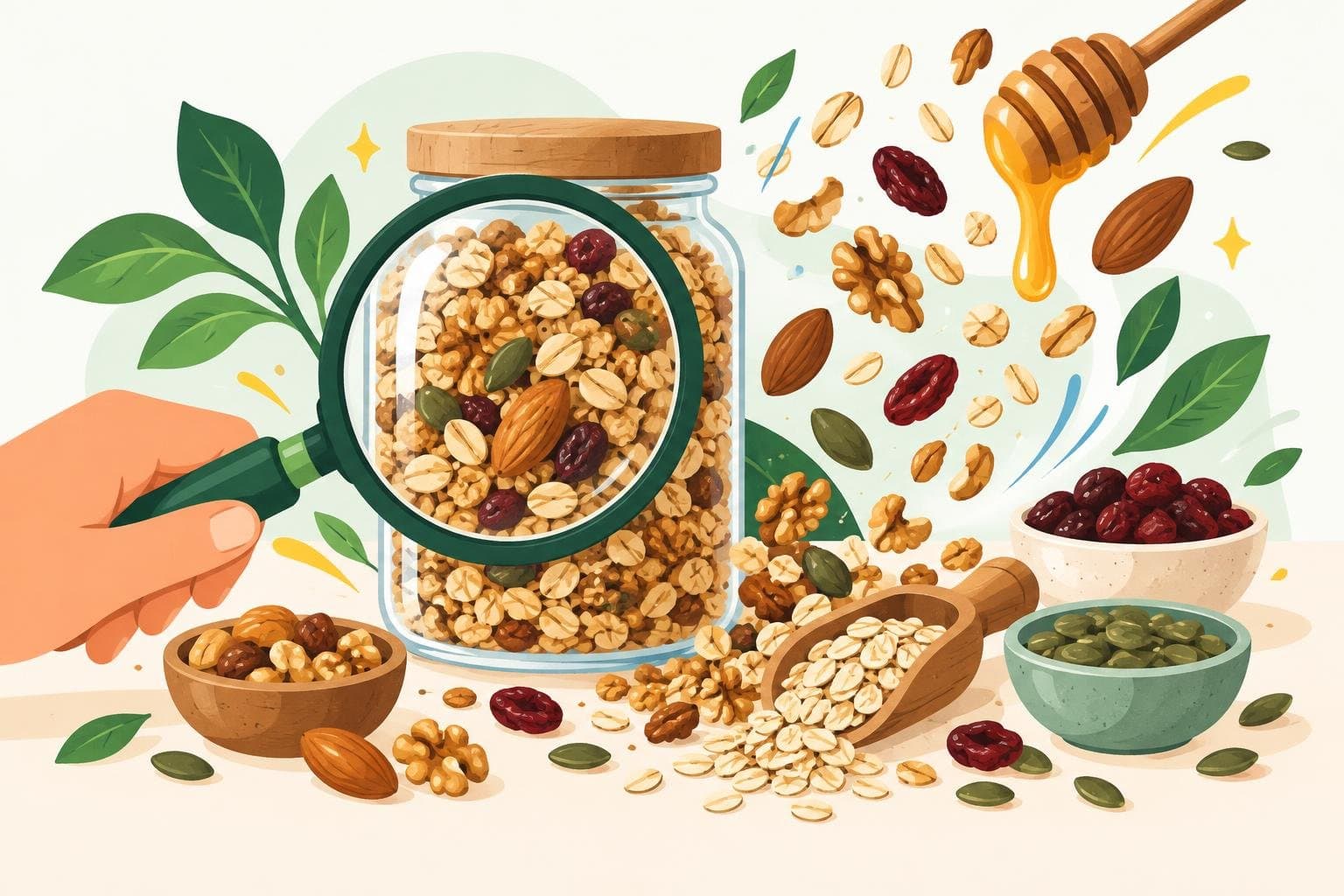
Ingredients are listed by weight, from most to least. If sugar or refined flour is in the first few, it's a big part of the product. Sugar also hides under many names: syrups, honey, dextrose, maltose and fruit juice concentrate all count.
Let your phone read it
When you snap a packaged food in Mealful with the nutrition label in frame, it reads the label directly instead of estimating, then lets you adjust the portion before you save. It's the fastest way to log packaged food accurately.
This article is general information, not medical advice. If you have a health condition or specific dietary needs, talk to a doctor or registered dietitian.