Nutrition2 min read
Macros explained: protein, carbs and fat in plain English
What macronutrients are, how many calories each one carries, and how to think about the balance without obsessing over every gram.
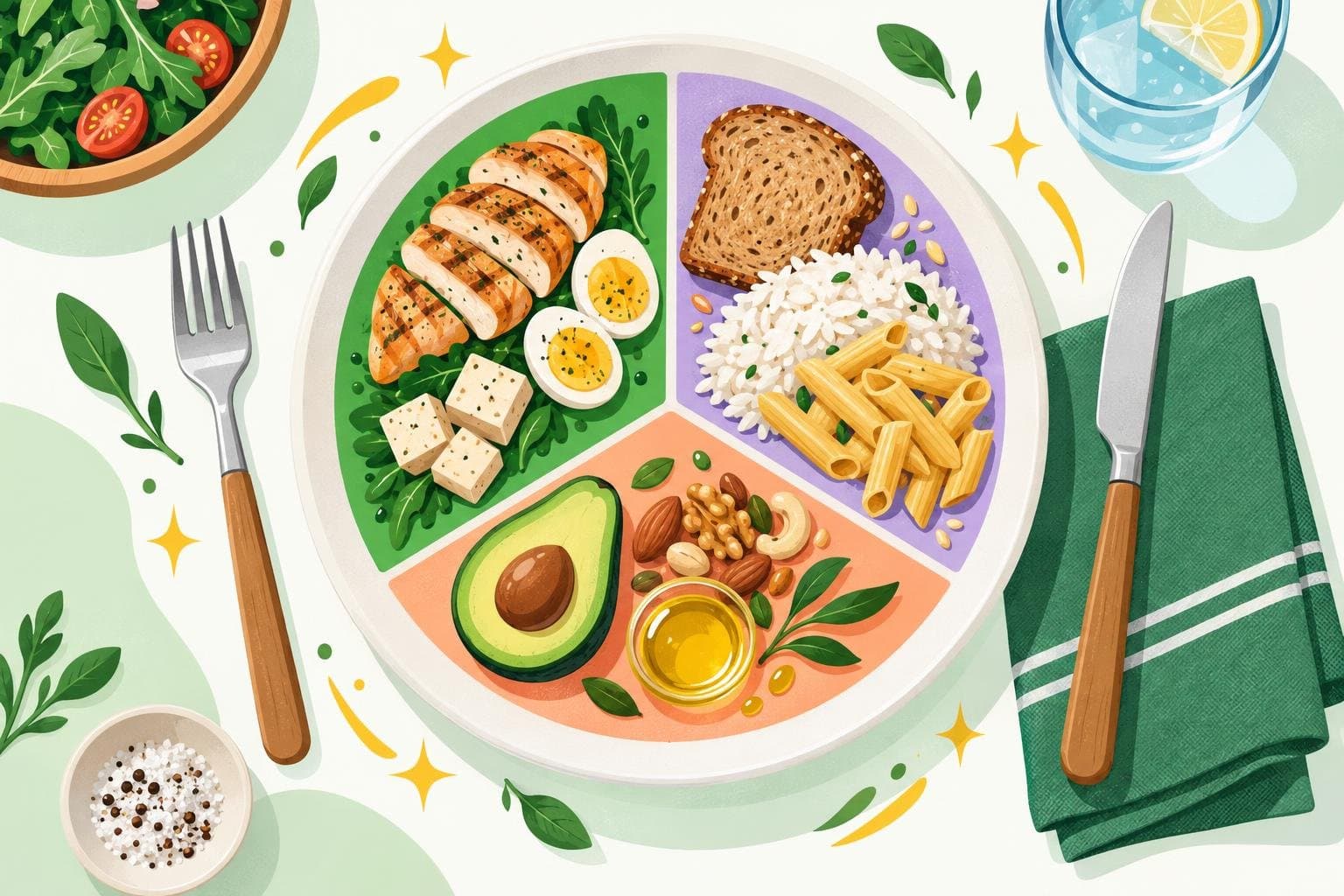
"Macros" is short for macronutrients: the three nutrients that make up almost all of the calories in your food. Knowing what each one does makes it far easier to build meals that keep you full, fuel your day and support whatever goal you're working towards.
The three macros at a glance
- Protein: about 4 calories per gram. Builds and repairs muscle and other tissue, and is the most filling of the three.
- Carbohydrates: about 4 calories per gram. Your body's preferred quick fuel, especially for your brain and for higher-intensity exercise.
- Fat: about 9 calories per gram. Needed for hormones, cell health and absorbing vitamins A, D, E and K.
Alcohol also carries calories (about 7 per gram) but isn't a nutrient your body needs, which is why it usually isn't counted as a macro.
Protein: the one most people under-eat
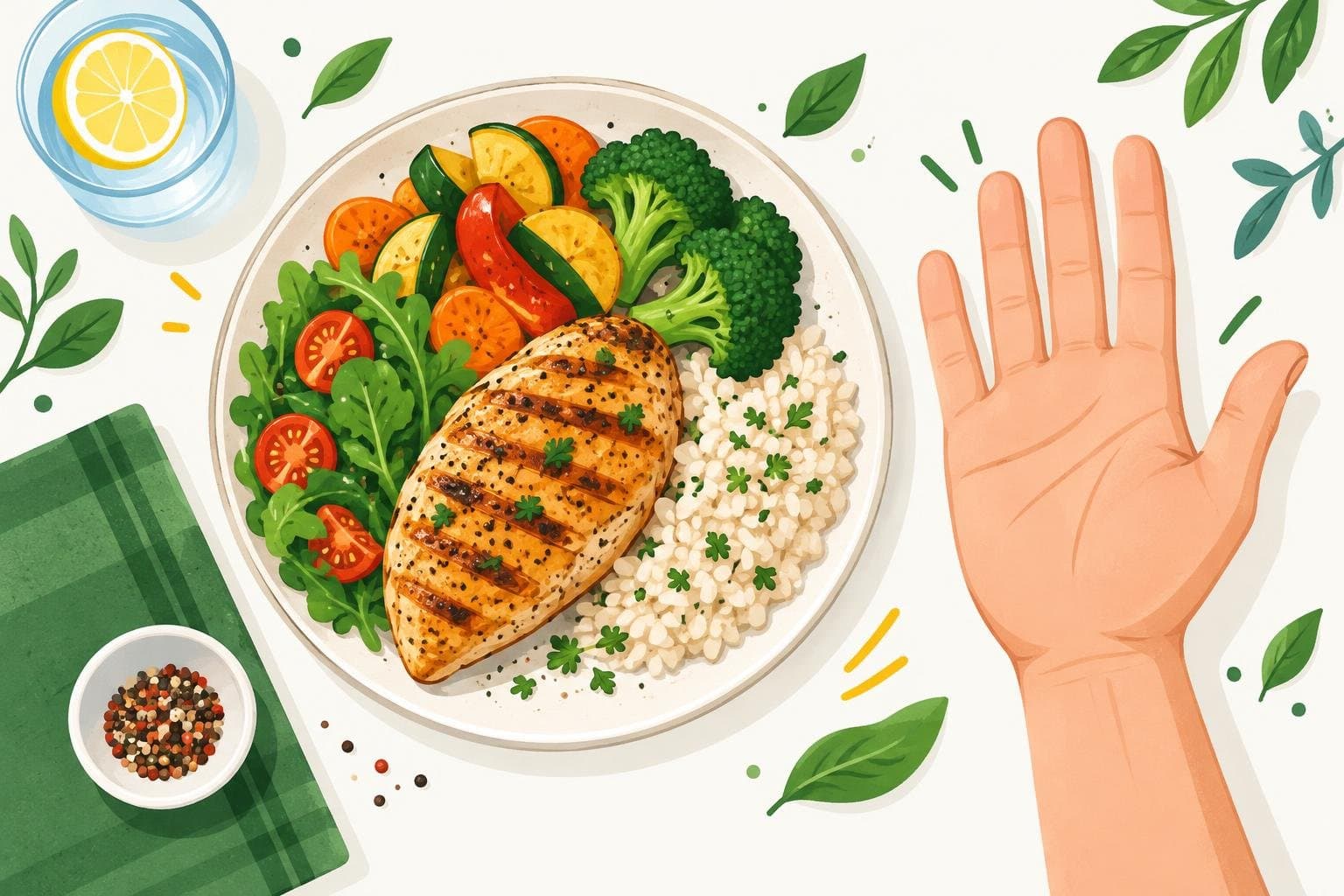
Protein keeps you fuller for longer than the same calories from carbs or fat, and it helps you hold on to muscle when you're losing weight. Many active adults aim for roughly 1.2 to 2 grams per kilogram of body weight per day, with the higher end useful when strength training or cutting calories.
Carbs: not the enemy
Carbohydrates range from fibre-rich whole grains, beans, fruit and vegetables to refined sugar and white flour. The fibre-rich kind digests slowly, keeps your energy steady and feeds healthy gut bacteria. You don't need to cut carbs to eat well; you just want most of them to come with fibre attached.
Fat: small portions, big impact
Because fat has more than twice the calories per gram of protein or carbs, it adds up quickly. A tablespoon of olive oil is around 120 calories. That doesn't make fat bad. Olive oil, nuts, seeds, avocado and oily fish are some of the healthiest foods there are. It just means a little goes a long way.
So what split should you aim for?
There's no single perfect ratio. Plenty of healthy diets land somewhere around 20–30% of calories from protein, 40–50% from carbs and 25–35% from fat. Your total calories matter more for weight change; your macro split matters more for how full you feel, how you perform and how much muscle you keep.
If you're not sure where to start, set a protein target, keep fat moderate, and let carbs fill the rest of your calories.
Tracking without obsessing
You don't need to weigh every almond. Glancing at a daily breakdown is usually enough to notice patterns, like breakfast being all carbs or dinner being where most of your fat comes from. Mealful shows protein, carbs and fat for every recipe and every day you log, so you can see the balance at a glance and adjust tomorrow's plan.
This article is general information, not medical advice. If you have a health condition or specific dietary needs, talk to a doctor or registered dietitian.