Meal planning2 min read
Meal planning for weight loss: a sustainable approach
How to plan a week of meals that supports steady weight loss, keeps you full and still includes food you enjoy.
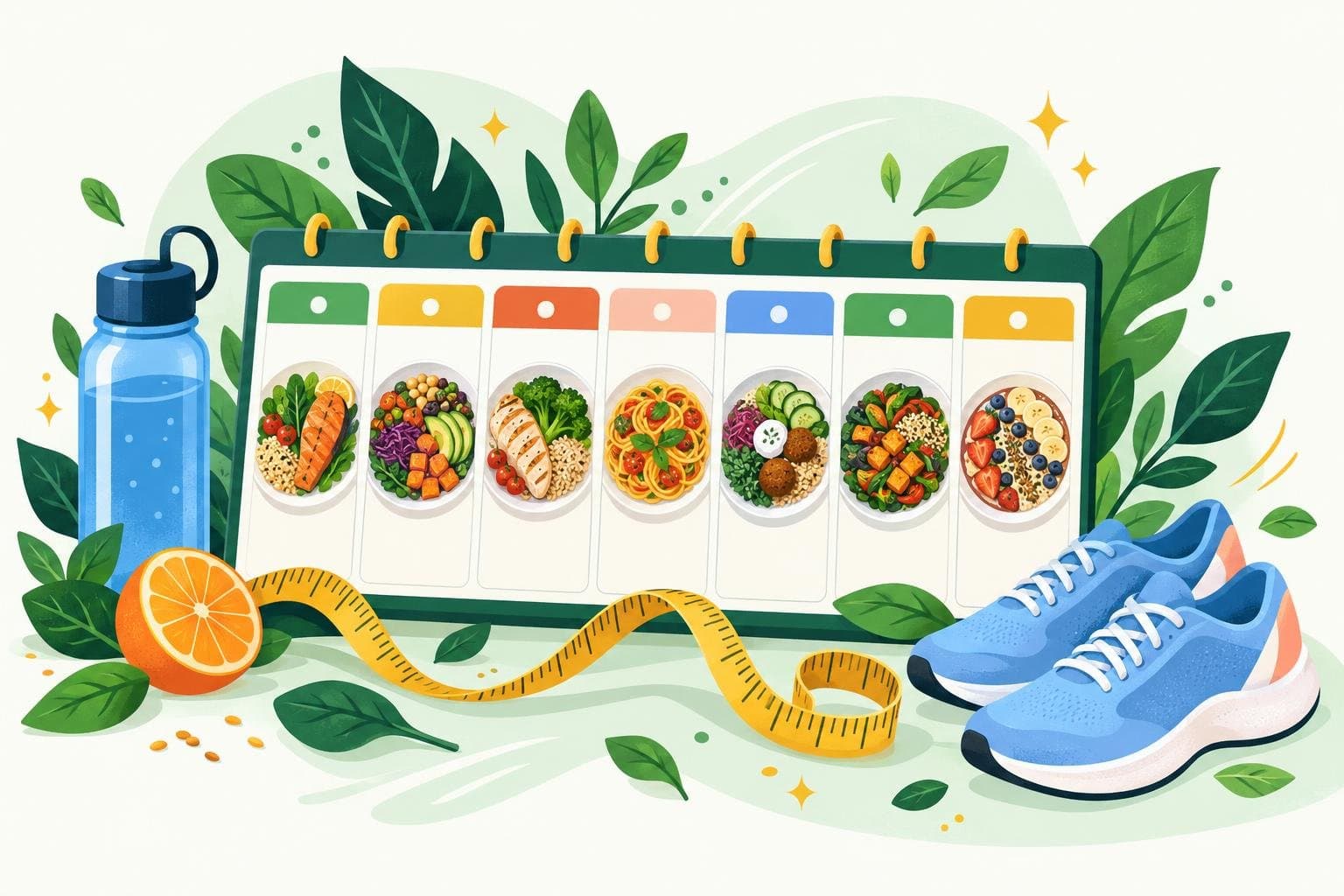
Most diets fail not because people don't know what to eat, but because they have to make good decisions over and over, when tired, hungry and busy. Meal planning takes those decisions out of the moment, which is why it's one of the most effective tools for sustainable weight loss.
Start with a realistic calorie target
Estimate how many calories you burn in a day, then aim for a moderate deficit of around 300 to 500 calories. That's usually enough to lose weight steadily without feeling miserable. Very low targets tend to backfire with hunger and fatigue.
Build each meal the same way

- A palm-sized portion of protein to keep you full
- Half the plate vegetables for volume and fibre
- A cupped hand of fibre-rich carbs for energy
- A small amount of healthy fat for flavour
This simple template does most of the work. You rarely need to count every gram when meals look like this.
Spread calories across the day
Saving all your calories for dinner usually leads to a ravenous afternoon. Give each meal a reasonable share, and plan a snack if there's a long gap between lunch and dinner.
Plan for your weak spots
- If evenings are hard, plan a satisfying dinner and a small dessert
- If you skip breakfast and overeat later, plan a quick protein-rich breakfast
- If weekends go off track, plan one meal out and keep the rest simple
Track to learn, not to punish
Logging what you actually eat shows where your plan and reality differ. Look for patterns, not perfection, and adjust next week's plan accordingly.
Let Mealful do the maths
Set your calorie goal in Mealful and it builds a day or a week of meals where each one takes its share of your target, respecting your diet and dislikes. Swap any dish you don't fancy, then log what you ate with a tap or a photo to see how your day compares.
This article is general information, not medical advice. If you have a health condition or specific dietary needs, talk to a doctor or registered dietitian.