Nutrition1 min read
Healthy eating as you get older
How nutritional needs change with age, from protein and vitamin B12 to hydration, and simple ways to eat well later in life.
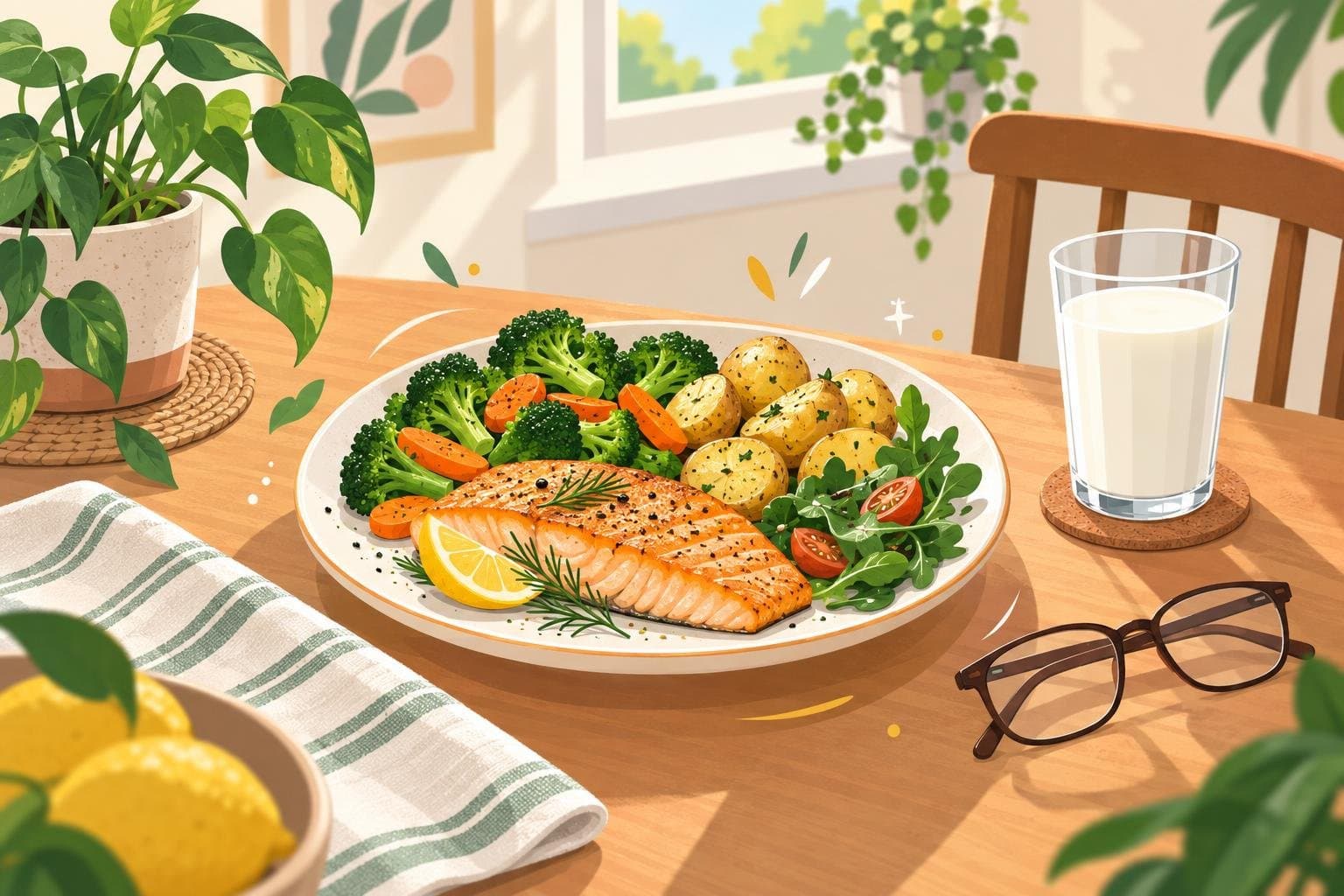
Our nutritional needs change as we age. We often need fewer calories, but just as many nutrients, and sometimes more of some. Eating well helps maintain strength, independence and health.
Protein to protect muscle
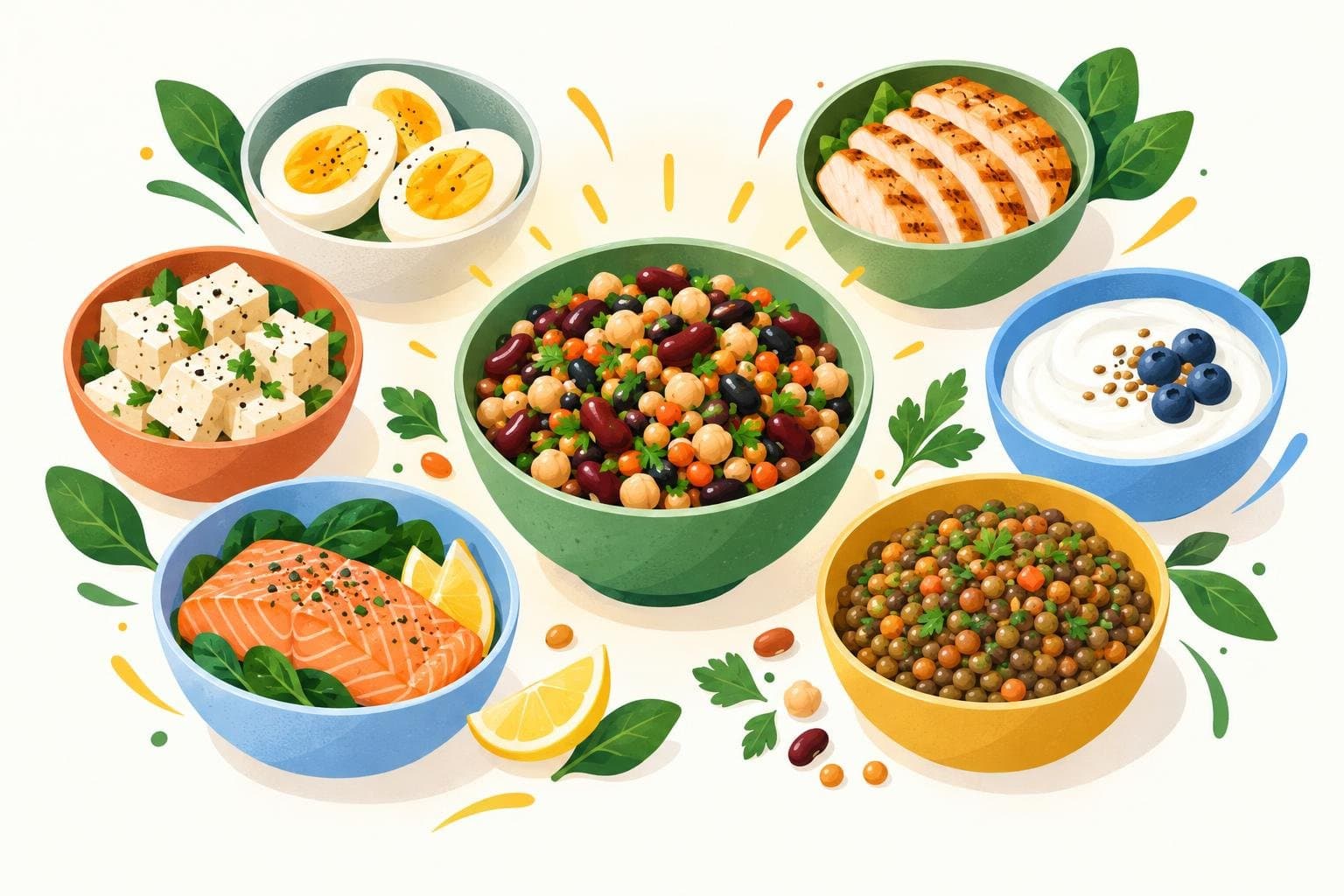
Muscle mass naturally declines with age. Getting enough protein, spread across meals, alongside strength exercises helps preserve it. Some experts suggest older adults aim for around 1 to 1.2 grams of protein per kilogram of body weight per day.
Nutrients to watch
- Vitamin B12: absorption can decrease with age; fortified foods or supplements may help
- Vitamin D: important for bones and muscles; many older adults need a supplement
- Calcium: for bone strength
- Fibre: for healthy digestion
Stay hydrated
The sense of thirst can weaken with age. Drink regularly through the day, and include soups, fruit and milky drinks.
When appetite drops
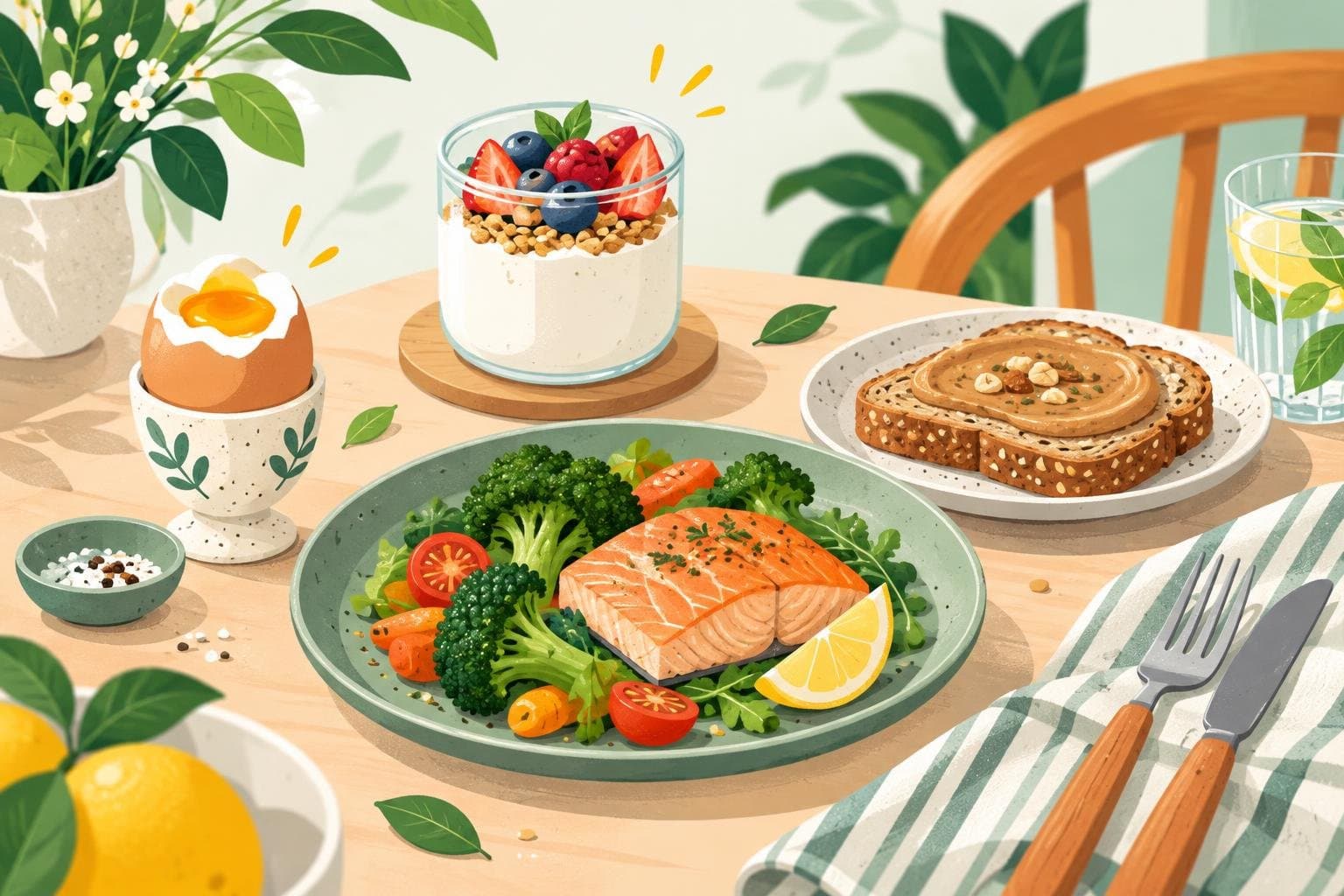
- Eat smaller meals more often
- Choose nutrient-dense foods like eggs, yoghurt, fish and nut butters
- Make meals social where possible; eating with others can increase appetite
Make cooking easier
Simple, one-pot meals and batch cooking reduce the effort needed. Frozen vegetables and tinned fish are nutritious and easy to keep on hand.
Plan for one or two
Mealful lets you set servings to the right size for your household, so recipes and grocery lists aren't built for a family of four.
If you notice unintended weight loss, speak to your doctor.
This article is general information, not medical advice. If you have a health condition or specific dietary needs, talk to a doctor or registered dietitian.