Nutrition2 min read
How to stay full when you're eating fewer calories
Hunger is the main reason diets fail. Protein, fibre, volume and timing tricks that keep you satisfied on fewer calories.
Eating fewer calories than you burn is how weight loss works, but constant hunger is how most attempts end. The goal isn't to fight hunger with willpower. It's to build meals that keep you full on fewer calories.
1. Lead with protein
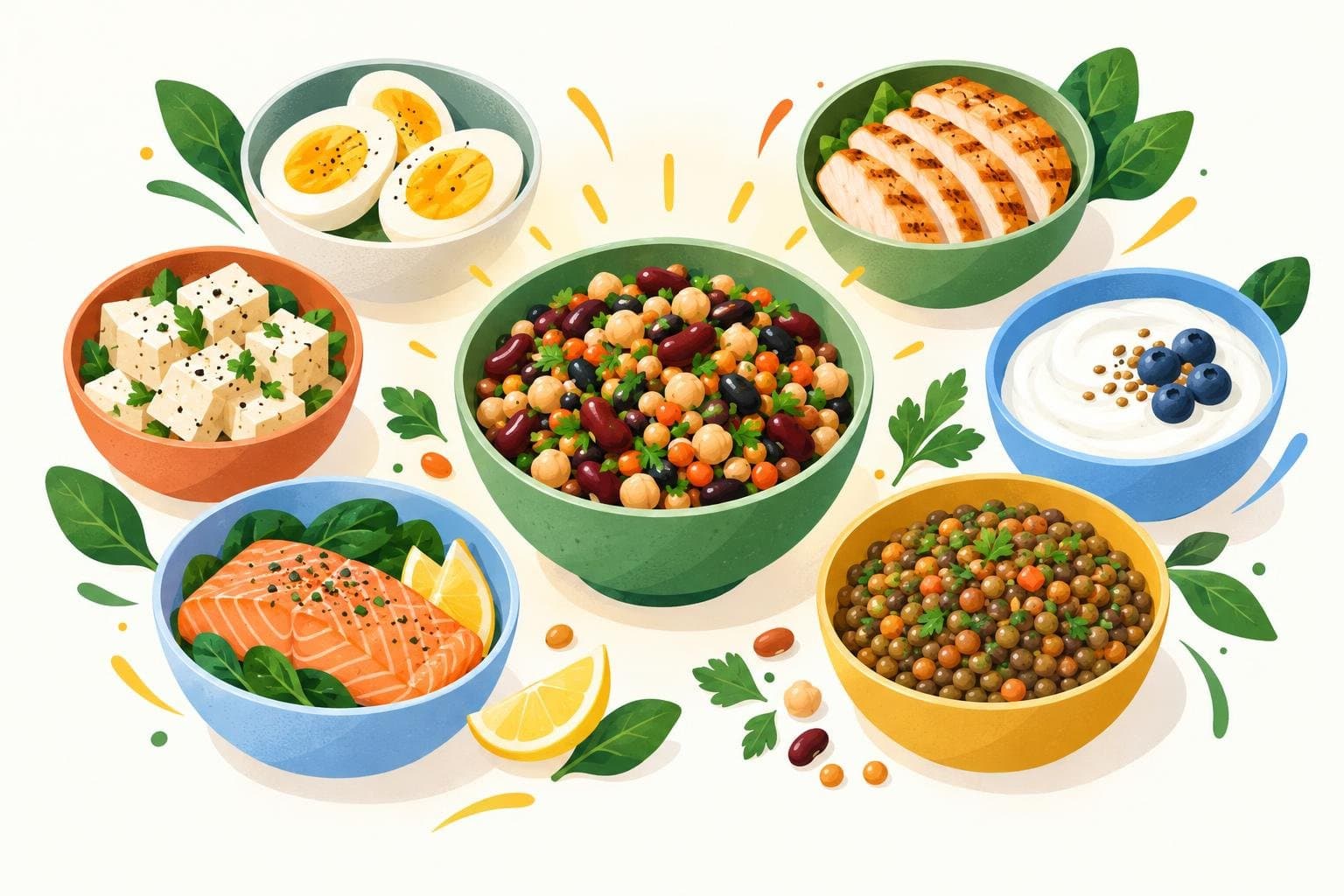
Protein is the most filling macronutrient, calorie for calorie. Including a good portion at every meal, like eggs, Greek yoghurt, chicken, fish, tofu or beans, helps control appetite and protects muscle while you lose weight.
2. Add fibre
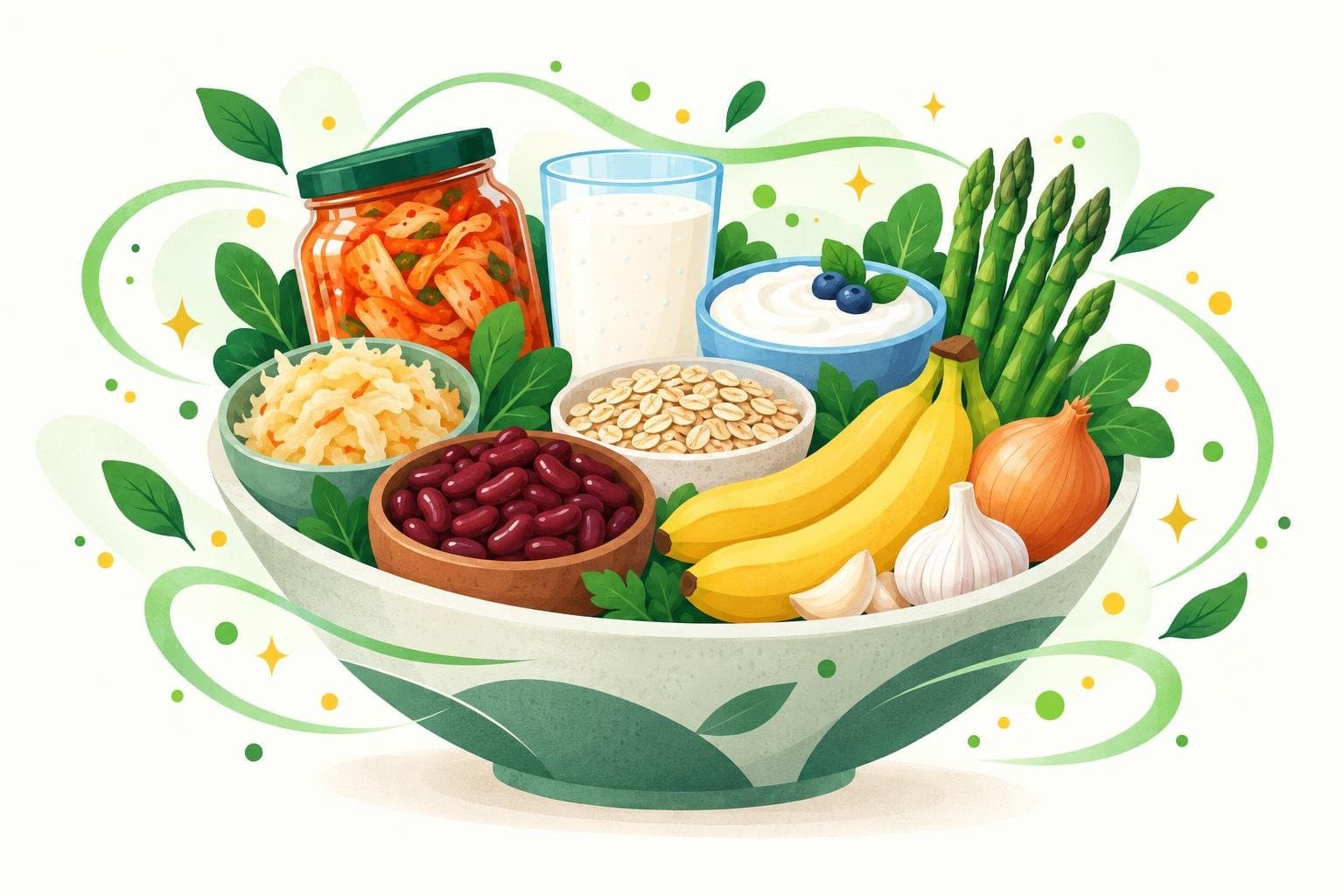
Fibre slows digestion and adds bulk. Vegetables, fruit, beans, lentils, oats and whole grains all help you feel fuller for longer.
3. Eat high-volume foods
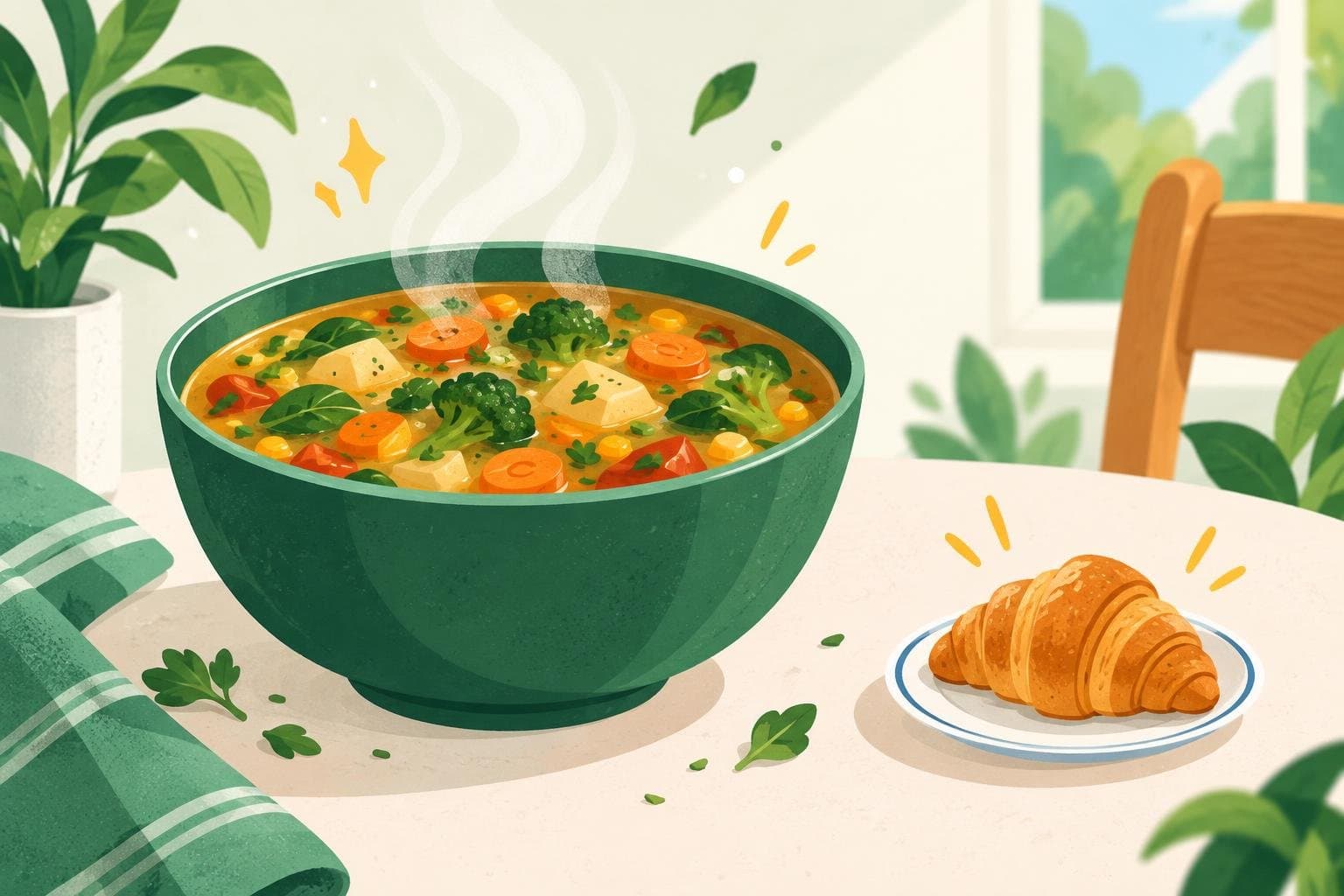
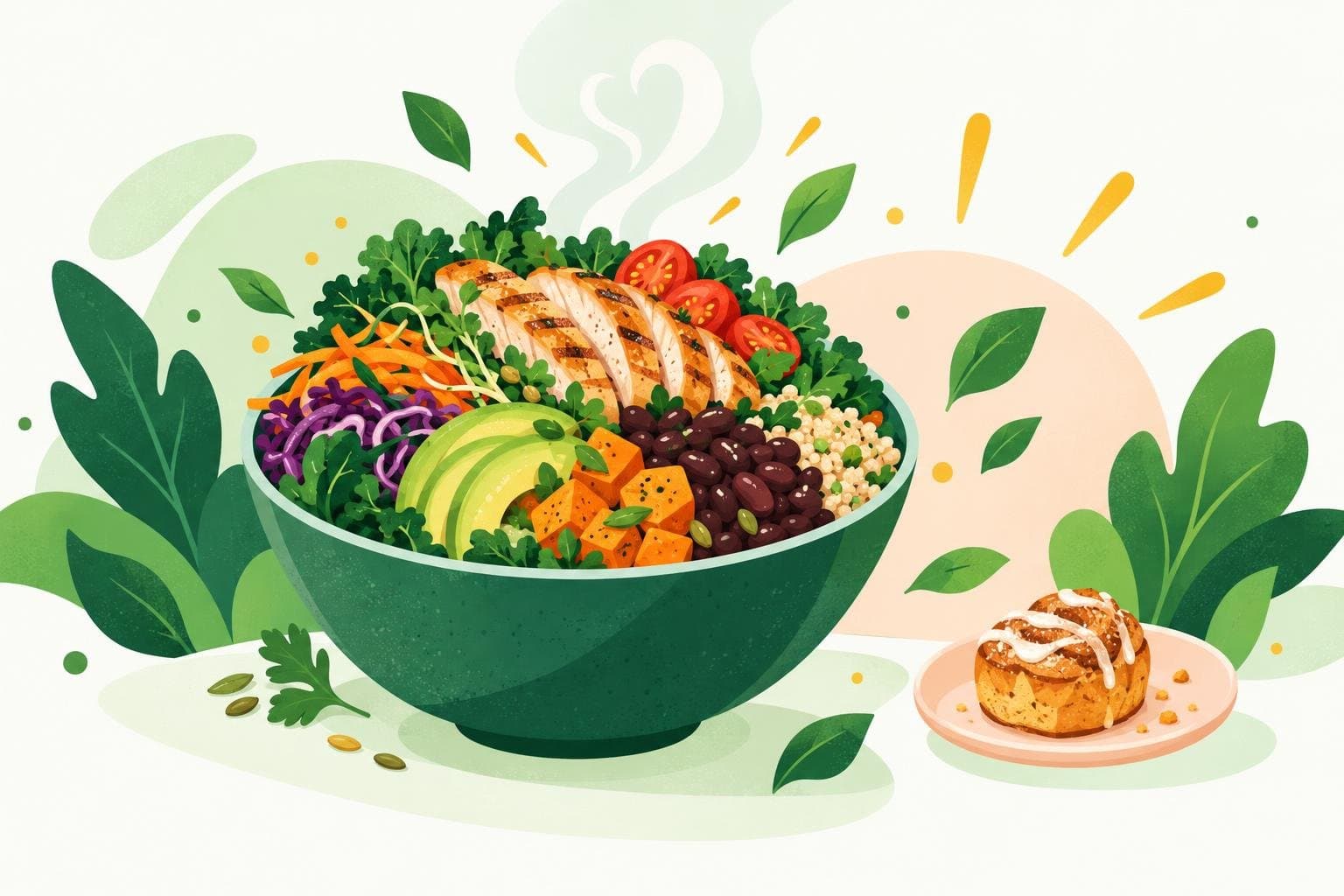
Foods with lots of water and fibre take up more space in your stomach for fewer calories. A big bowl of vegetable soup or a large salad with lean protein fills you up far more than the same calories from crisps or pastries.
- Start lunch or dinner with a broth-based soup or a side salad
- Bulk out pasta, rice and curries with extra vegetables
- Choose whole fruit over juice
- Try air-popped popcorn instead of crisps
4. Don't drink your calories
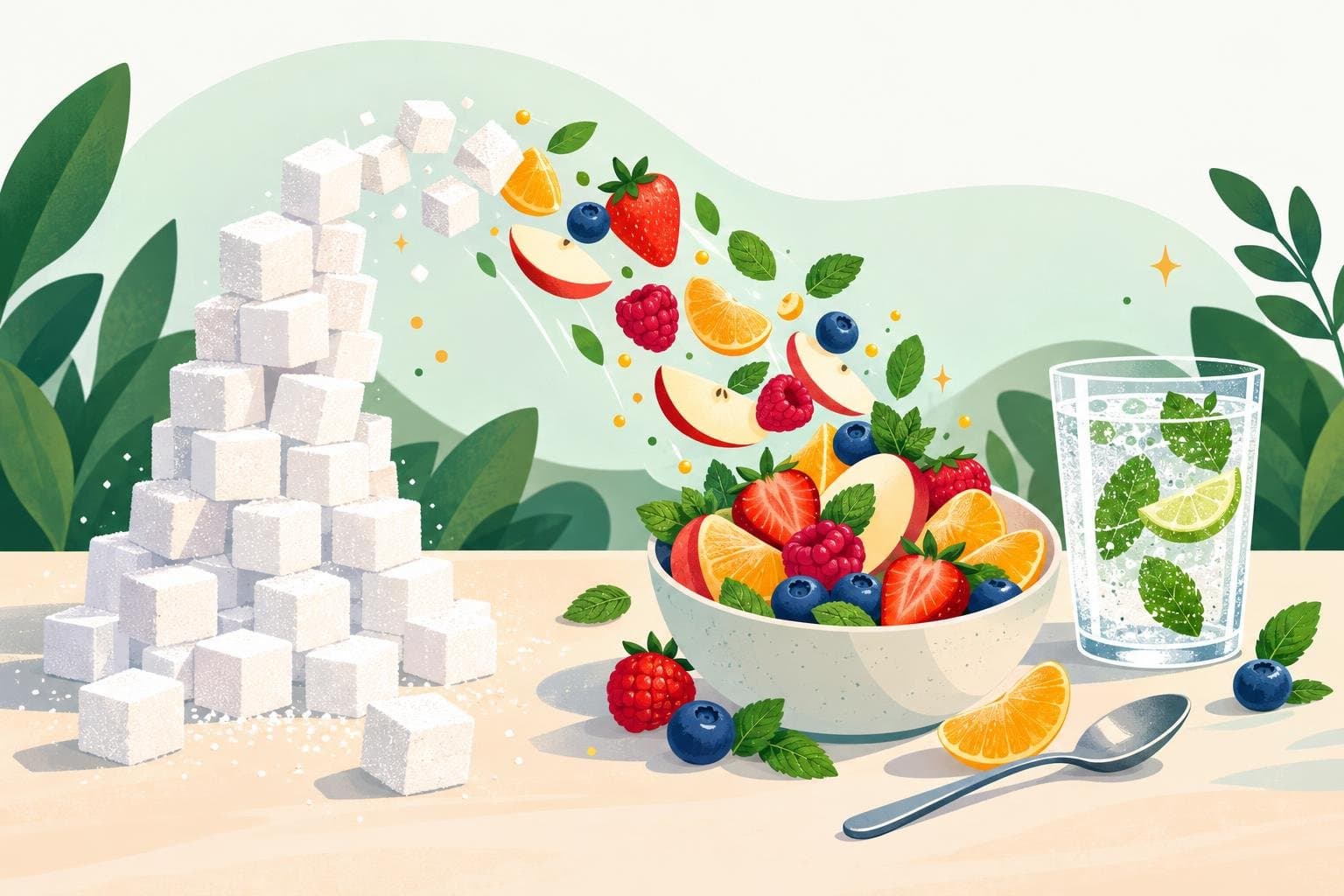
Sugary drinks, juices, alcohol and large coffee drinks add calories without making you feel full. Switching to water, sparkling water, tea or black coffee is one of the easiest cuts you can make.
5. Keep a steady routine
Long gaps between meals can lead to overeating later. There's no single best meal pattern, but many people find that regular meals, with a planned snack if needed, keep hunger more predictable.
6. Keep the deficit moderate
A very large deficit almost guarantees intense hunger. A moderate one, around 300 to 500 calories below maintenance, is usually much easier to stick to. In Mealful, each meal in your plan takes its share of your daily calorie goal, so the deficit is spread evenly rather than leaving you starving by dinner.
This article is general information, not medical advice. If you have a health condition or specific dietary needs, talk to a doctor or registered dietitian.