Nutrition1 min read
Ultra-processed foods: what they are and why they matter
How to spot ultra-processed foods, what research says about their health effects, and realistic ways to eat fewer of them.
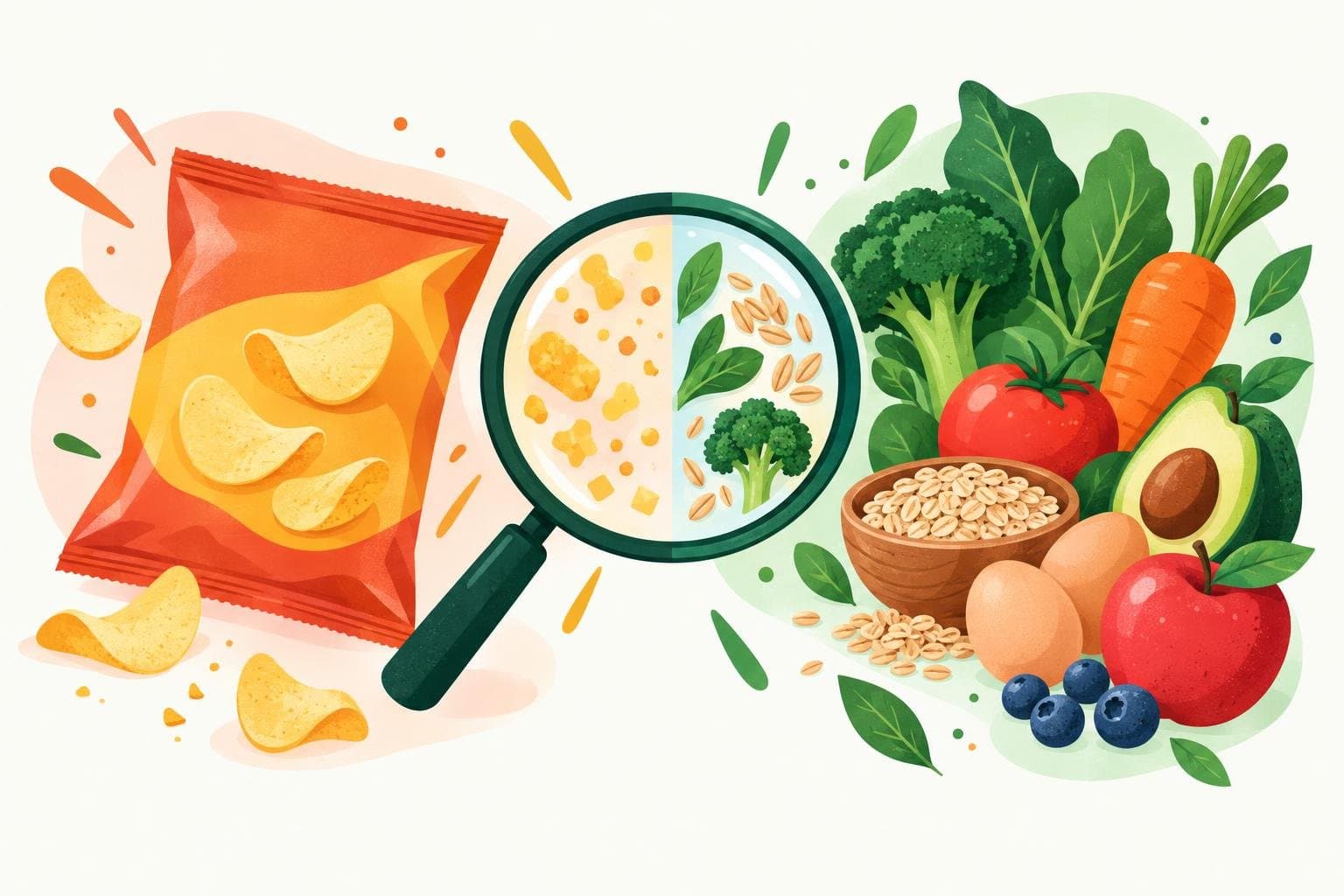
Ultra-processed foods (UPFs) make up a large share of the calories many people eat. Research linking them to health problems has made them a hot topic, but what exactly counts as ultra-processed?
Processing isn't all bad
Many processed foods are perfectly healthy: frozen vegetables, tinned beans, plain yoghurt, wholegrain bread from a bakery. The NOVA system, used by many researchers, separates foods into categories from minimally processed to ultra-processed.
What makes a food ultra-processed?
Ultra-processed foods are typically made in factories from ingredients you wouldn't use at home: modified starches, protein isolates, flavourings, emulsifiers, colourings and sweeteners. Examples include:
- Packaged snacks, sweets and biscuits
- Sugary breakfast cereals
- Soft drinks and energy drinks
- Processed meats like hot dogs and nuggets
- Many ready meals and instant noodles
What the research says
Studies have linked diets high in UPFs to higher risks of obesity, type 2 diabetes and heart disease. In one controlled US study from 2019, people ate around 500 more calories a day on an ultra-processed diet than on an unprocessed one, even when meals were matched for nutrients. Researchers are still working out why.
Realistic ways to eat fewer
- Cook simple meals at home more often
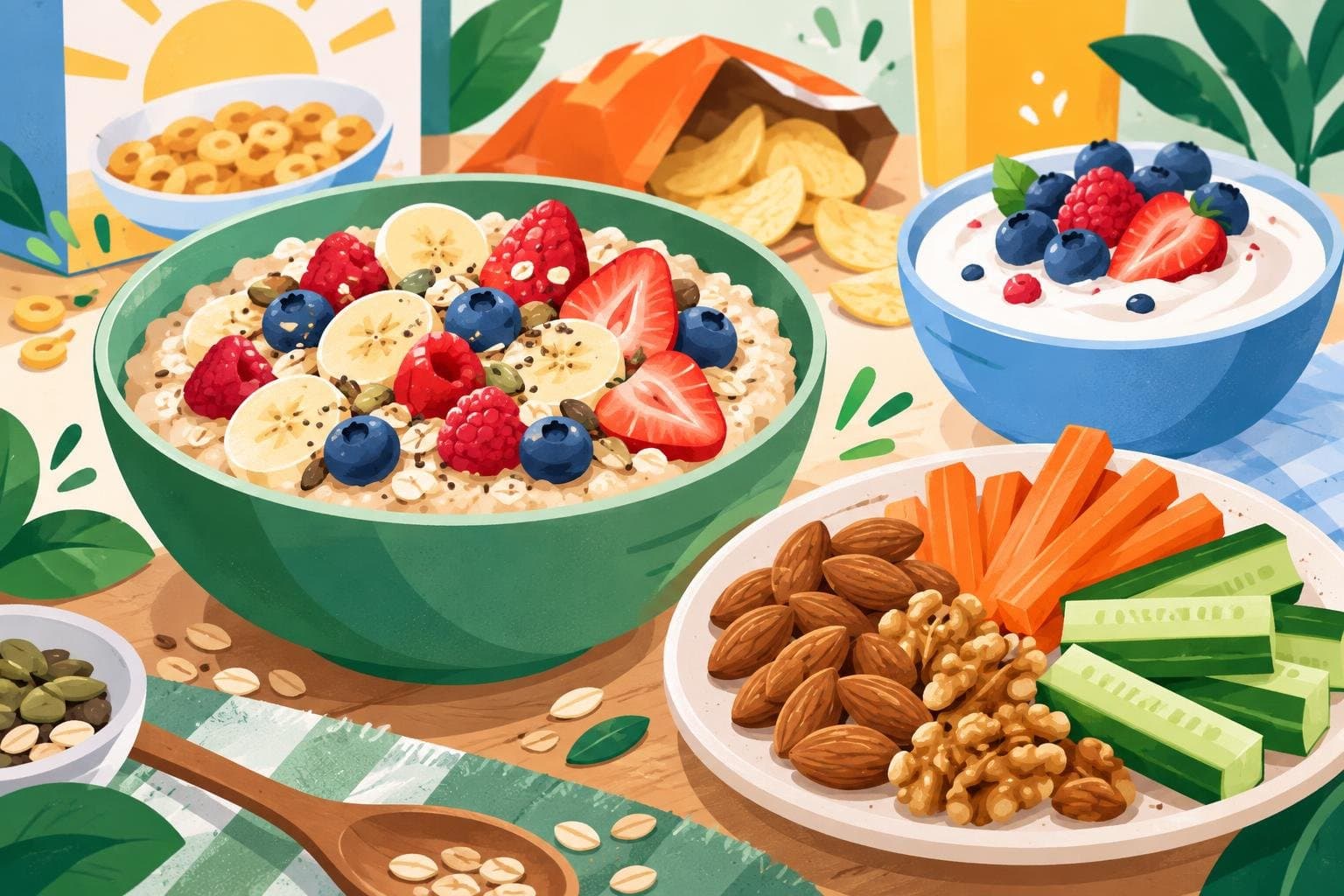
- Swap sugary cereal for oats
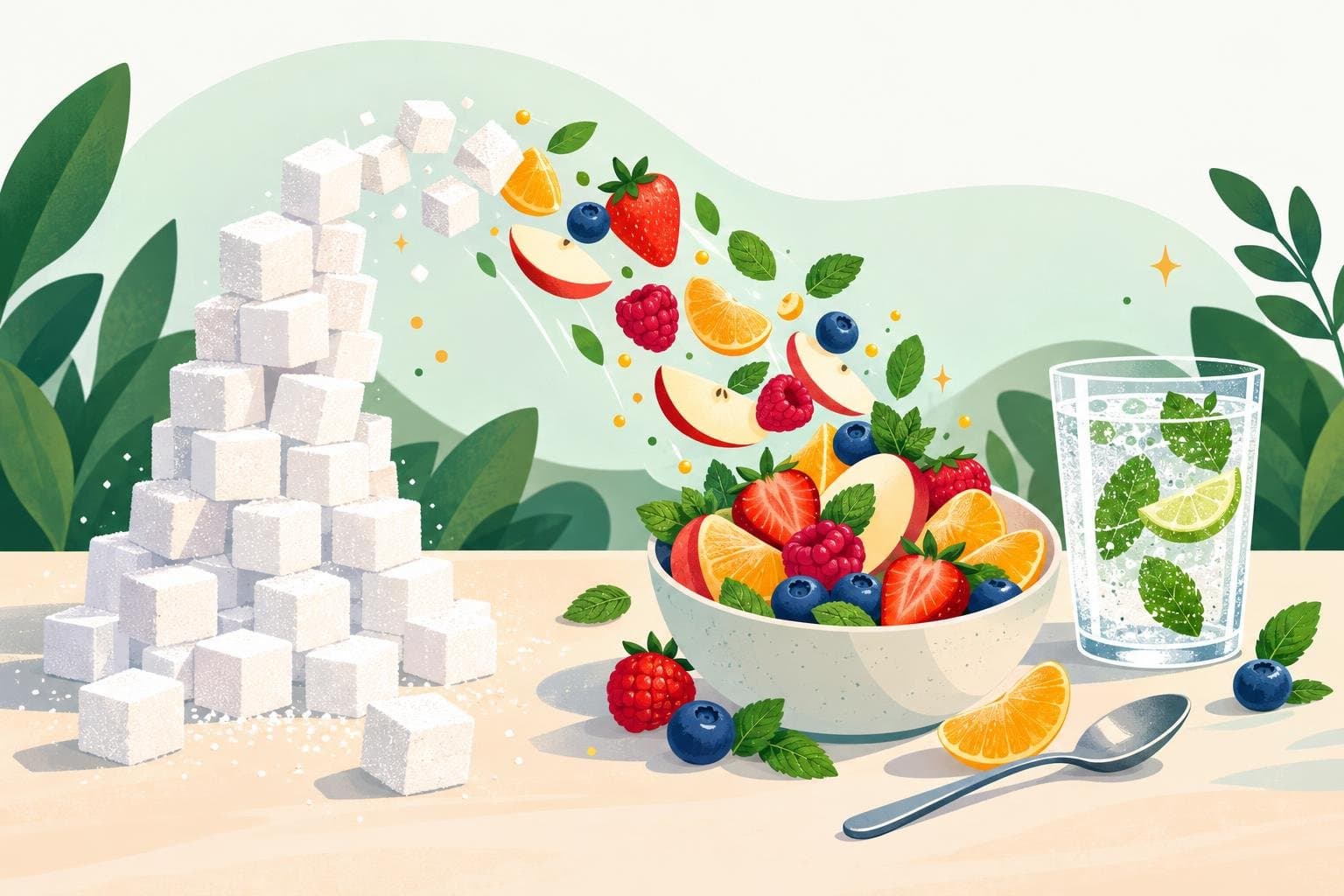
- Choose plain yoghurt and add your own fruit
- Snack on fruit, nuts and vegetables with hummus
- Keep tins, frozen veg and eggs on hand for quick meals
Not all or nothing
You don't need to eliminate every packaged food. Making most of your meals from whole ingredients is what matters. Planning meals in Mealful makes home cooking the default rather than the exception.
This article is general information, not medical advice. If you have a health condition or specific dietary needs, talk to a doctor or registered dietitian.